Aphex is super helpful to understand whether our delays are one-offs or issues that we need to resolve to make sure that our program is more accurate moving forward.


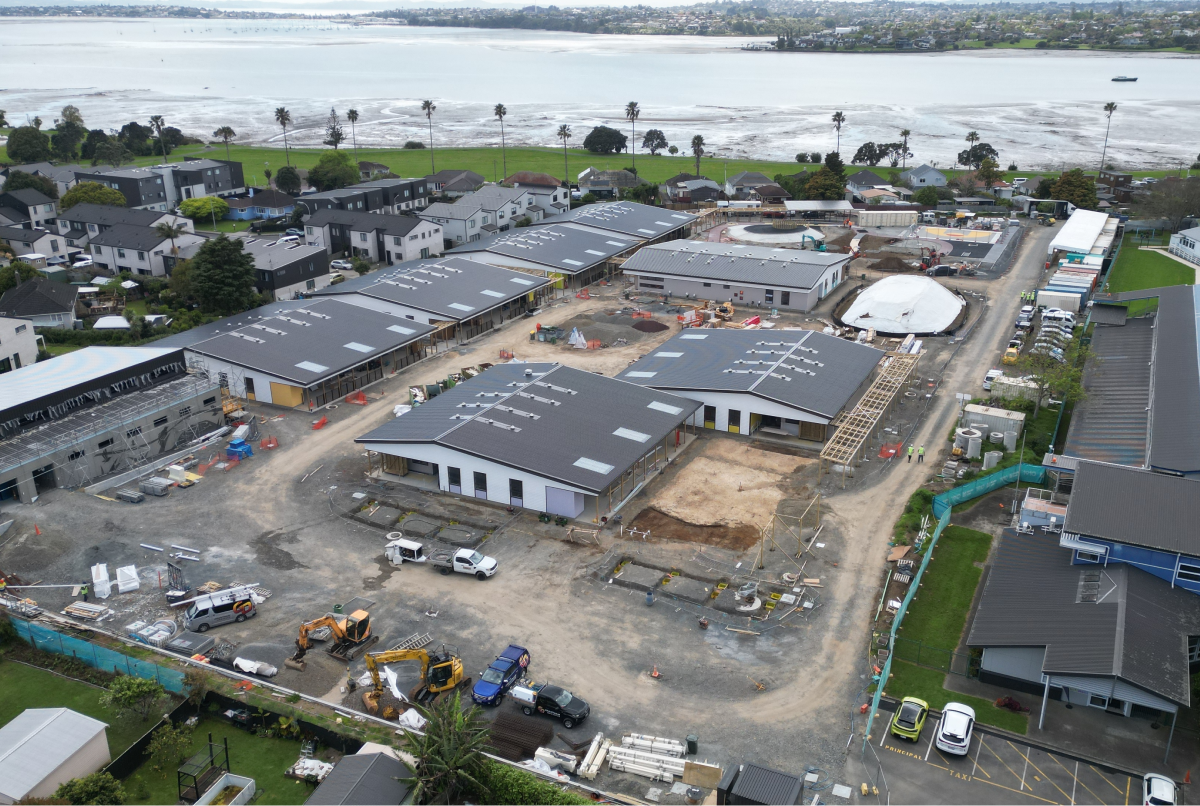
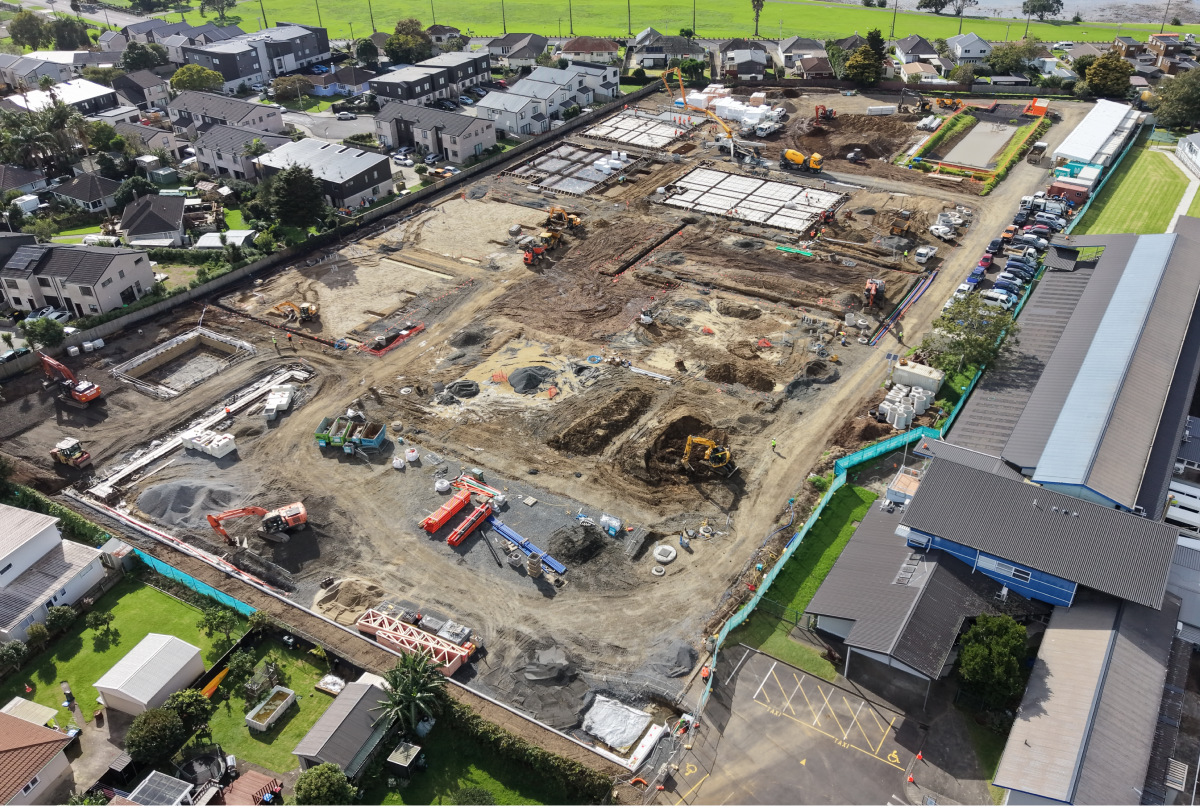
Naylor Love is delivering the new build of Sommerville Special School in Panmure, Auckland. The project replaces the school's existing facilities with 22 new teaching spaces across seven single-storey classroom blocks, an indoor hydrotherapy pool, an outdoor sensory learning environment, and two new pick-up and drop-off areas.
Construction runs on an eighteen-month program, with the school due to open to students in 2027. At around 22,000 square metres, the work is single-storey and level-access throughout, spread wide across the site.
Naylor Love are trialling Aphex on the project. We spoke with Alex Hall, Project Manager at Naylor Love, to learn more about how he orchestrates delivery on this complex build.
Why delays surface too late on large, multi-front builds
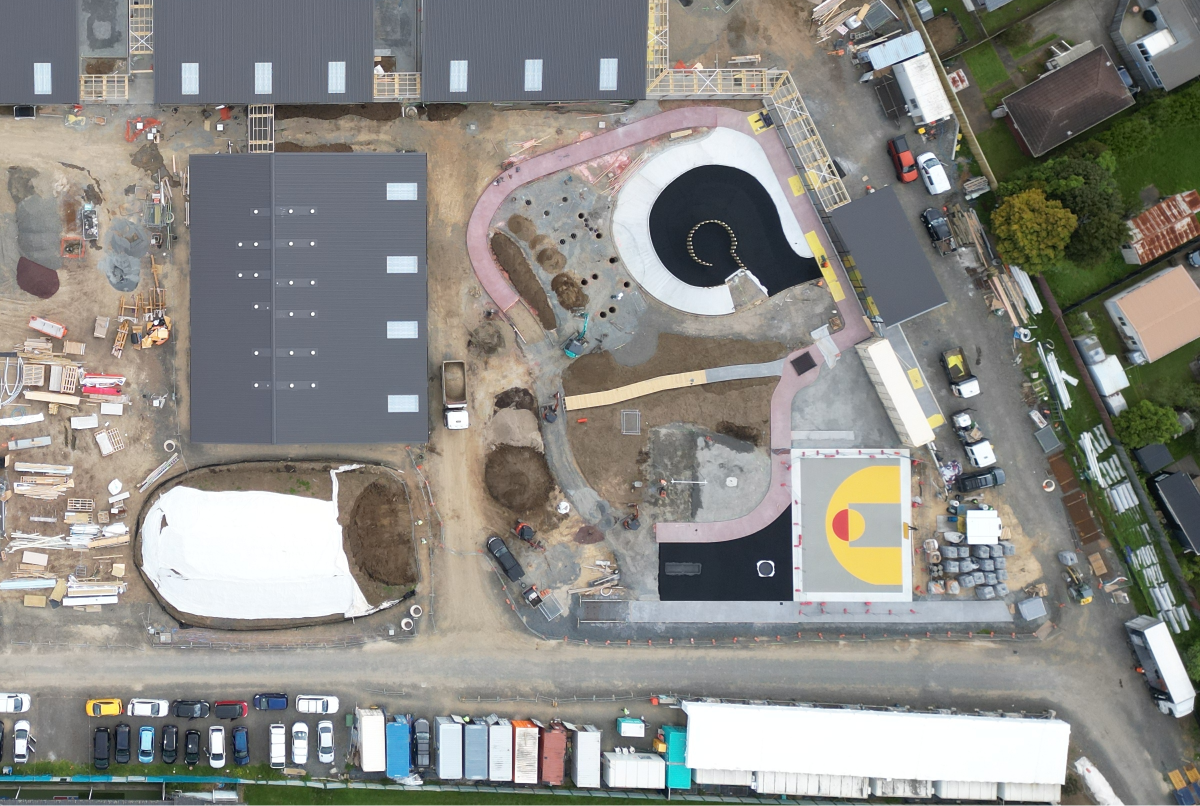
On a large, low-rise build like Sommerville, it can be difficult to get a single view of the project as a whole. The same work runs across a dozen separate buildings at once, spread over a site too big to take in from any one spot, with the construction cycle repeating from one area to the next.
On a job like this, a delay in one area rarely stays in one area. Miss a step in one place and the knock-on runs straight across the program.
The hard part is catching those delays in time to act. Most teams track progress with a status update once or twice a week, which means that problems can surface days too late to protect project milestones. And too often, the forum meant to stay ahead of all this, the Last Planner session, is dedicated to information gathering, rather than collective problem solving.
Our whole site's about 22,000 metres square. We are working across multiple fronts. It's all single-storey level-access buildings, but it does mean it takes up lots of different areas around the site.
Alex Hall, Project Manager, Naylor Love
Solution 1: Prioritise daily status updates from subcontractors
Rather than checking the program once or twice a week, the Naylor Love team made statusing a daily habit, so the plan always reflects where every task actually stands.
Where a subcontractor hasn't updated by the morning, the supervisors capture it together at the daily pre-start, when everyone is in the room anyway.
The point of this daily picture is to surface tasks that are slipping as quickly as possible. This means that if a task slips because of something Naylor Love controls, such as access to an area, the team finds out in time to clear the blocker, rather than learning the next morning that the work never happened.
What's more, these daily updates tell the team whether a delay is a one-off or a pattern. On a repetitive program, separating a genuine standalone delay from a recurring issue prevents the same problem from rolling over from one block to the next.
If there are any issues that we can control, we can solve them immediately. It means that we're not waiting until the next day to find out that a task wasn’t finished because a blocker wasn’t removed in time.
Alex Hall, Project Manager, Naylor Love
How to do this with Aphex
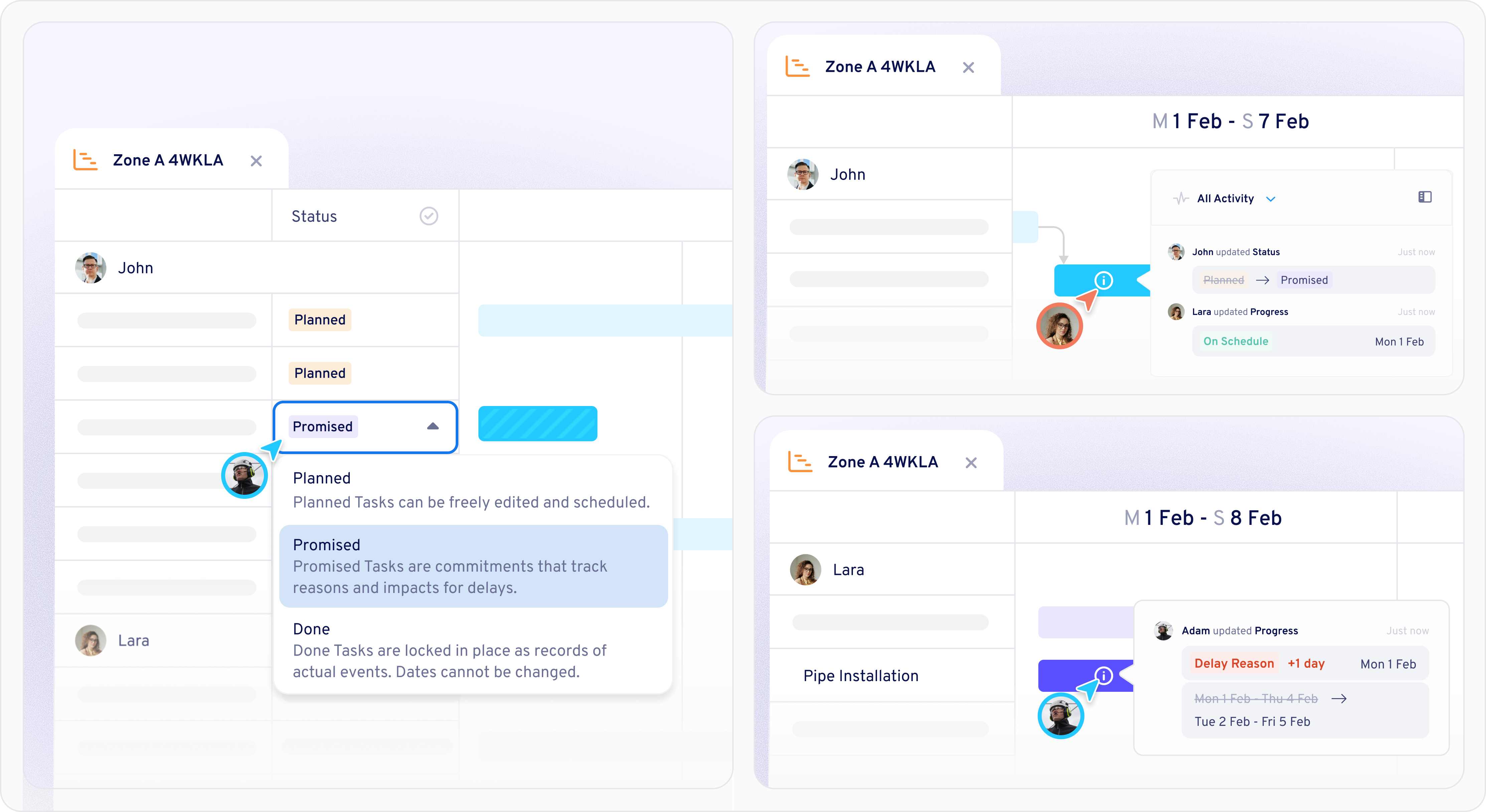
Make updating the live plan a daily routine. Build it into a fixed moment so it always happens: at Sommerville, supervisors status any tasks missed the day before together at the morning pre-start. Everything downstream depends on the data being up to date.
Then work the Board view by exception. The delayed-items filter shows what's slipped, and the missing-updates filter shows who hasn't reported so that you can ignore everything on track. Turn on the latest-comment view to see each delay's reason against its task, and double-click for the full history, which tells you at a glance whether a slip is a one-off or something recurring that needs solving at the root.
Solution 2: Communicate up-to-date plans before Last Planner meetings
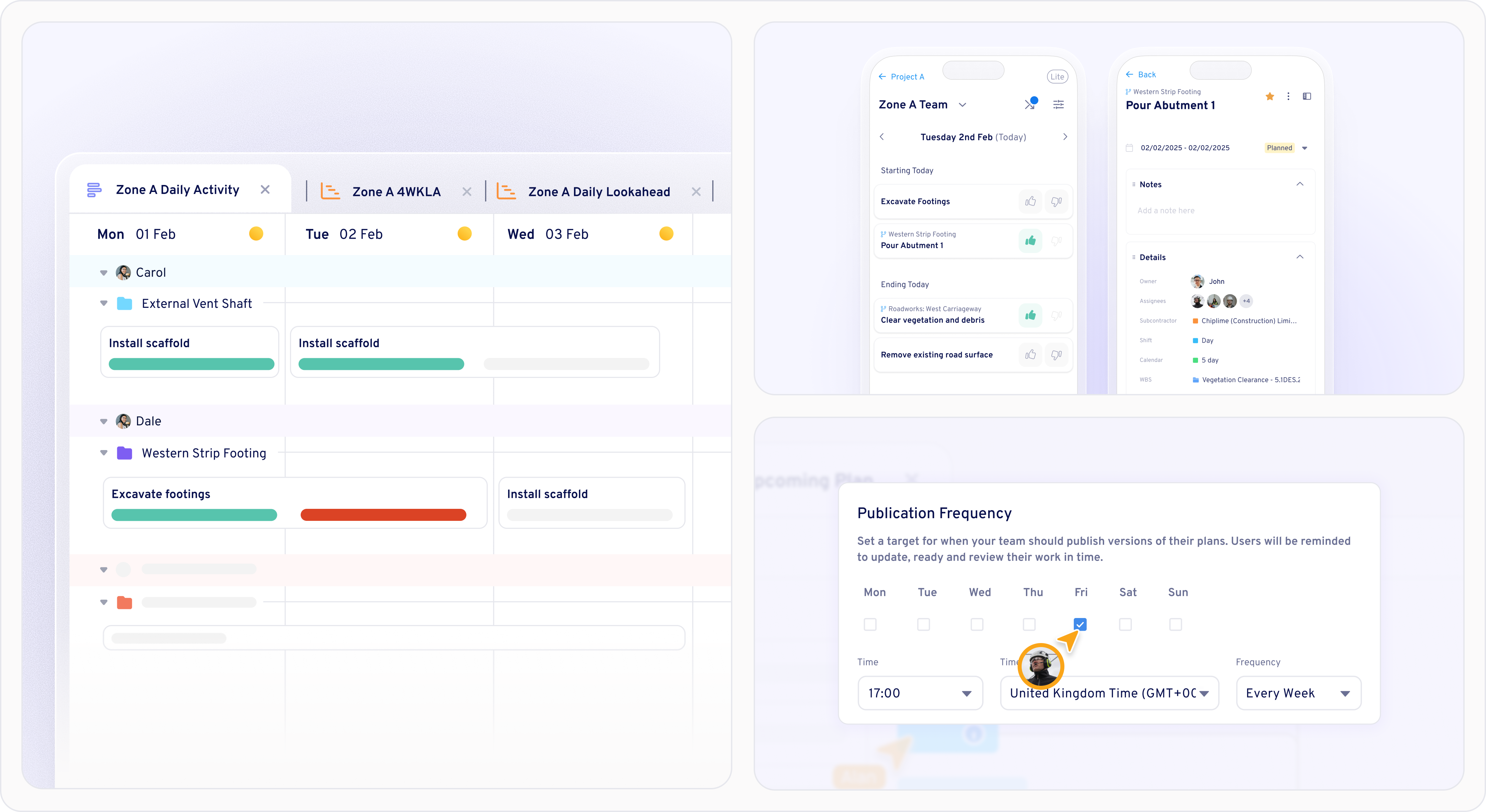
A short-term plan carries a lot of information, and the people who most need to act on it are busy and impatient. The discipline Naylor Love adopted was to push the live plan out to subcontractors before the session, broken into the pieces relevant to each of them, and presented as clearly as possible, so they arrive having already fully prepared.
That reframes the purpose of the meeting. Instead of spending time gathering updates, the team can focus on finding and solving real issues. For Naylor Love, the first part of the session is a structured review of the period just gone. The aim is to ensure each delay is a one-off and doesn't quietly recur throughout the rest of the build.
This routine only works with subcontractor buy-in. By sharing the plan early rather than at the last minute, Naylor Love gives the team enough to come into the session able to participate actively, focused on how they'll resource the work and collectively solve problems, rather than figuring out what the work even is.
Having a live program enables us to push that information out to them before the planning session.
Alex Hall, Project Manager, Naylor Love
How to do this with Aphex
Share the plan before the meeting, not in it. Publish the current program to your subcontractors ahead of the session so they walk in already across what's expected, and the meeting can be about resourcing and problem-solving rather than catch-up.
Use the Board view to make a dense plan legible. Categorise tasks by subcontractor so each trade can see only their own work, and switch viewing options to bring the critical information to the top instead of scrolling through a full Gantt. A concise, day-by-day board is easier for a busy supervisor to absorb than a full printed program.
Solution 3: Prioritise tasks to make labour requirements predictable
A target program is built around the dates, but the dates are only achievable if the crews can be staffed to meet them. On Sommerville, the carpentry team usually runs around 30 people on site. At one point, the program was quietly demanding far more than that, with the labour curve spiking into the 40s and touching 52 in a single week.
A number like that is a problem twice over: it is expensive and disruptive for the subcontractor to chase, and it is a sign the plan is asking for something the trade cannot sustain.
To solve this problem, Naylor Love sat down with the carpenters, task by task, and captured the labour each task genuinely needed. With the real numbers in front of them, they prioritised based on the cumulative totals, deciding what was critical, what could move, and what could be reshaped, until the peaks came down and the curve steadied around 32. The program was now built around what the trade could actually deliver rather than what the dates demanded.
Subcontractors love that we've done that, and they really appreciate that we've kind of taken the time to try and adjust our program to suit what they can deliver.
Alex Hall, Project Manager, Naylor Love
How to do this with Aphex
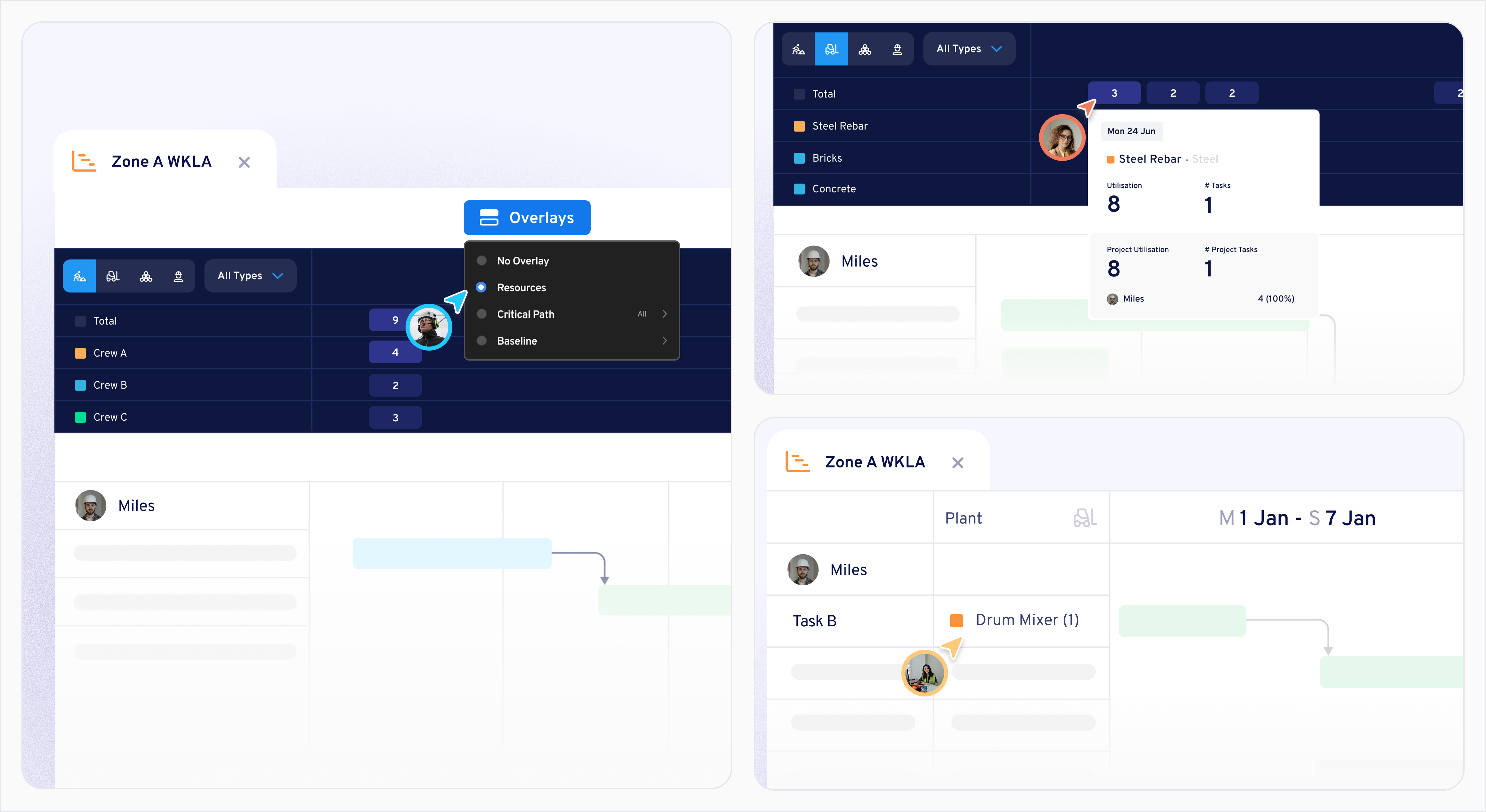
Add labour requirements to your tasks through the Resources view. Go task by task with the subcontractor and record the labour each task genuinely requires for its duration, so the program reflects actual numbers rather than assumptions.
Read the profile back over time. Plotted as a histogram, the resources view exposes the spikes a task list hides. Use the cumulative totals to prioritise: decide what's critical, what can shift, and reshape the sequence until the curve levels to something the crew can hold week to week.
Resources has been really powerful for us, allowing us to see where we had spikes and allowing us to manage them before they become a problem.
Alex Hall, Project Manager, Naylor Love
The results
Less than two months in, the difference was already showing up where it matters most: productivity and revenue to forecast.
- Revenue to forecast has jumped. With Aphex, the site managers have a much sharper read on where the plan sits and where it needs to go, and that clarity has fed straight through to the numbers.
- Fixed milestones protected. Delays now surface on the day they occur, rather than at pour date, so the team has time to find a solution before a fixed commitment is at risk.
- Time pulled back across the program. Because the build repeats block to block, any savings found in one cycle are carried over to the next, compounding across the site rather than being lost.
I'd 100% recommend Aphex for other projects, entirely because of the value it's delivered for us in the short space of time. Aphex has made a huge difference to our understanding of the project each day.
Alex Hall, Project Manager, Naylor Love
What you can apply
- Catch learnings early on a repetitive build. When the same cycle repeats from one block to the next, a problem caught and understood the first time never has to be paid for again.
- Match the program to the crews you have. Sit down with your subcontractors task by task, capture the resource each task really needs, and level the program to what the crews can hold week to week.
- Protect the dates that can't move. Build a fast enough picture of what's actually happening on site that you find out about a slip in time to act on it, not the morning after the date has passed.
- Manage by exception. Work the delays and the missing updates, so a daily review stays quick enough to actually do every day, and the things that cost you get a same-day response.

Heading
Lorem ipsum dolor sit amet, consectetur adipiscing elit. Suspendisse varius Duis cursus,