.webp)
The difference after using Aphex has been really noticeable. Everyone appreciates having current information they can trust. It's made coordination much smoother and freed up time for solving problems rather than chasing status updates.


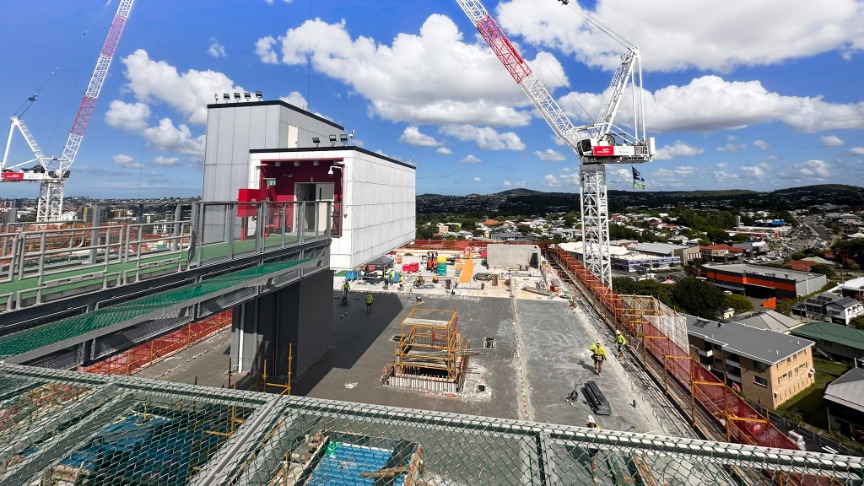
John Holland is delivering a $350 million expansion of the Princess Alexandra Hospital in Brisbane, one of Queensland's most significant public health infrastructure investments in recent years.
Four new floors are being constructed directly above the existing Emergency Department, which remains operational throughout. The finished expansion will add 249 acute inpatient beds including 30 ICU beds, 13 new cancer treatment bays, and expanded medical imaging, pharmacy, and kitchen facilities.
We spoke with Lilly Newton, Senior Project Engineer at John Holland, to learn how her team maintains schedule certainty and clear accountability across a complex, multi-subcontractor program.
The coordination challenge
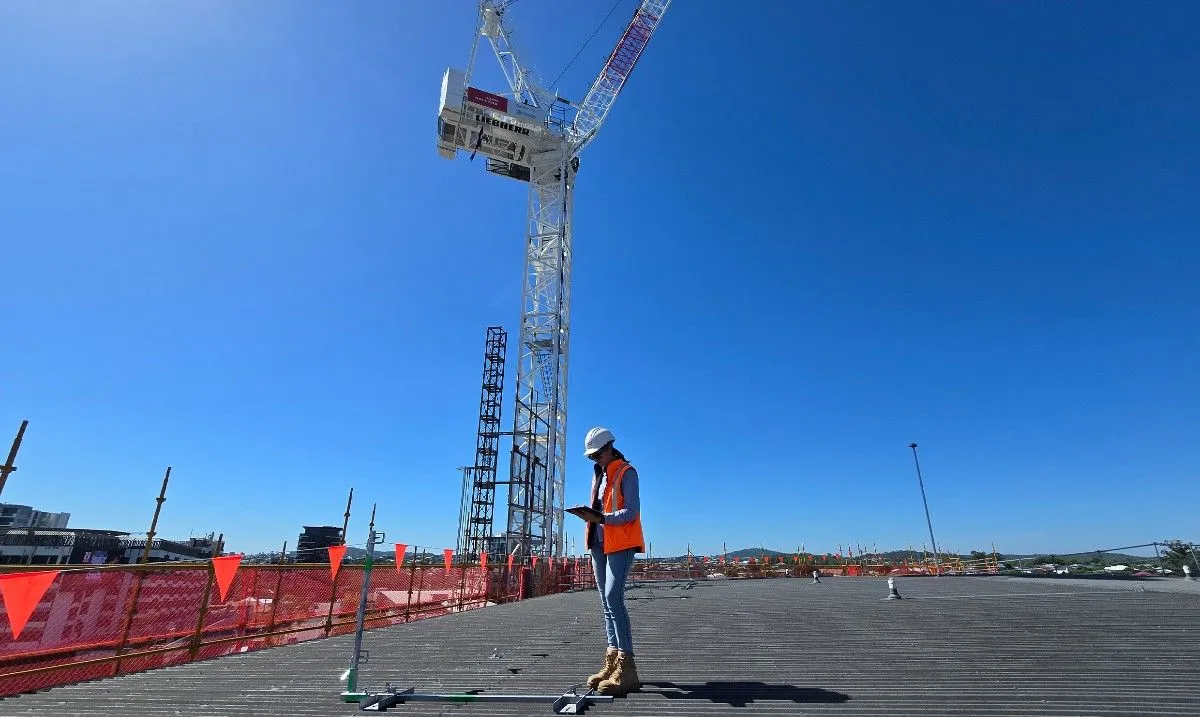
The constraints that come with building in a live hospital environment are significant. Structure must be sequenced level by level. One day lost on formwork can mean three or four days lost on a concrete pour, which can ripple through the entire program, in a delivery environment where there is very little float.
These constraints are made more challenging when multiple subcontractors are working simultaneously across different levels. Each tends to focus on its own scope without necessarily having full visibility into the dependencies and timing constraints across the project as a whole.
Information lag can compound this. When work stalls on Tuesday but the next planning update isn't until Friday, teams continue making decisions from outdated assumptions. By the time the problem surfaces, the window to respond without disruption has often already closed.
It's really important for us to spot impacts immediately. If a pour date needs to shift from Friday to Monday, we're losing three days on the program. Daily visibility means we can work with our teams to find solutions before those delays compound.
Lilly Newton, Senior Project Engineer
Solution 1: Daily status capture creates immediate visibility
The John Holland team developed a disciplined routine of daily status updates across all activities. Instead of waiting for weekly meetings, engineers update their task status every day, so everyone can see what's actually happening at all times.
This makes a big difference in building projects, which run on tight cycles where small delays snowball fast. Daily updates mean you spot impacts right away, not at week's end when your options have shrunk.
Daily feedback creates transparency and a clear digital paper trail, so the team is always able to pull up detailed records showing exactly what happened and when.
We're really disciplined about daily statusing. It's become part of our routine, and it means everyone, including our team and our subcontractors, always knows the current status. That shared visibility makes coordination so much smoother.
Lilly Newton, Senior Project Engineer
How to implement with Aphex
Set up daily status routines using Aphex's mobile app for on-site progress capture. The thumbs-up/thumbs-down functionality makes it easy for team members to quickly update task status without sitting at a desk.
Because everything connects to one live plan, status updates automatically flow through to linked tasks. There's no manual updating of dependencies or copying changes between spreadsheets. The key is making status updates part of existing site management routines rather than treating them as additional administrative work.
Teams can then use the daily status data to identify trends early. When tasks consistently show delays, the detailed progress history supports collaborative conversations about solutions. Because the plan stays connected, teams can immediately see downstream impacts and adjust their coordination plans accordingly.
Compared to what we were doing with Excel, Aphex is so much easier. The daily statusing is simple enough that it just becomes part of your routine, not extra admin work piled on top of everything else.
Lilly Newton, Senior Project Engineer

Solution 2: Weekly routines create shared accountability
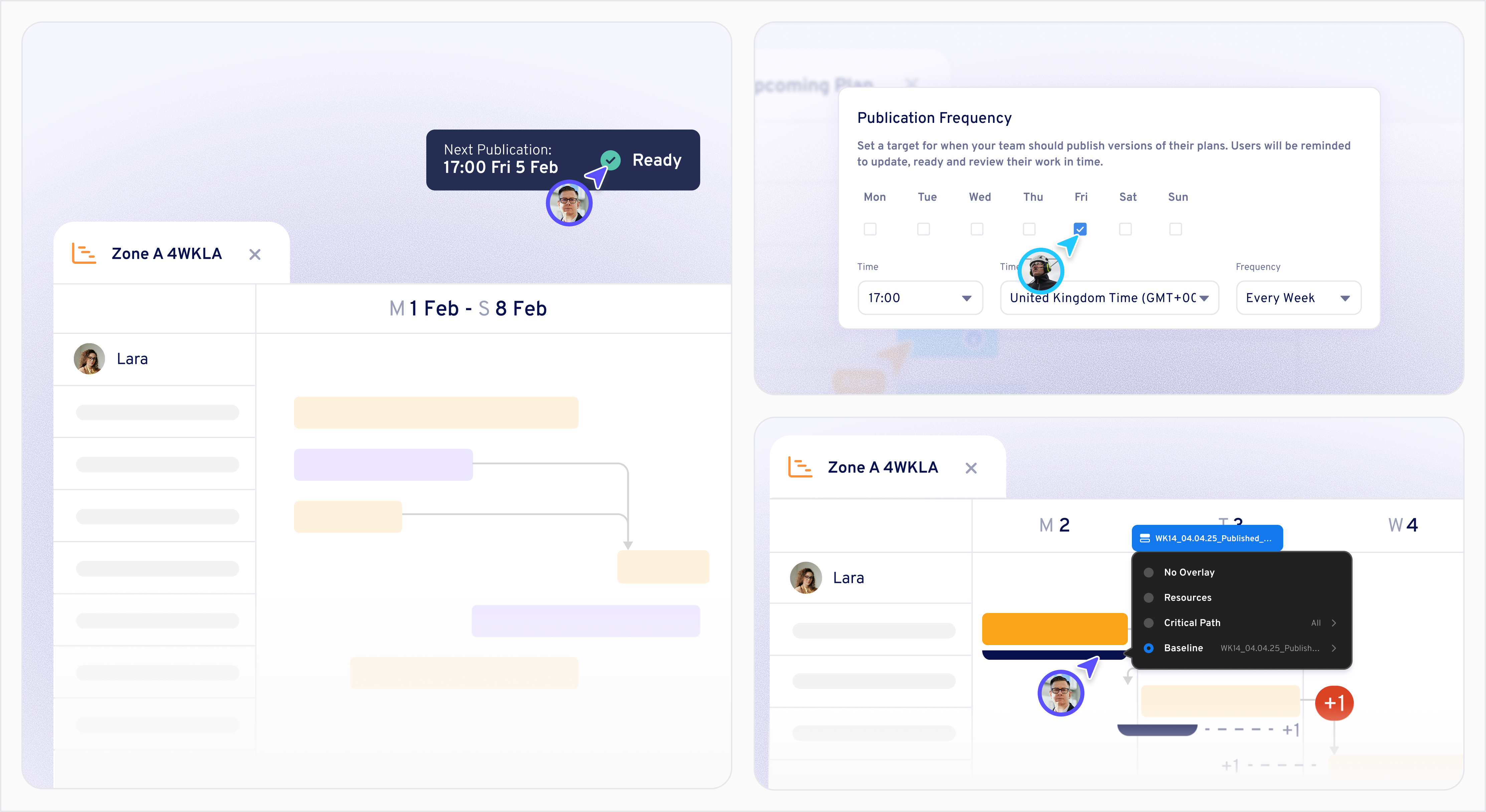
The John Holland team also established a disciplined weekly cycle. Lilly and the team filter the program to a three-week lookahead, print it every Friday, and publish it for their records. On Tuesday, they hold their weekly subcontractor meeting with everyone working from printed copies of the same plan.
This routine transformed how planning discussions work. The team captures commitments in meeting minutes, which are linked to that week's published version. When questions come up about what was planned, they can pull up the exact version everyone was working from.
Regular publishing creates timestamped snapshots showing how the program evolved. When the team needs to show colleagues in the business what's changed or discuss schedule impacts, the baseline overlays make it immediately clear what shifted and when.
Documenting our planning discussions is so important for coordination. Everyone can reference the same information, and it really helps when we need to understand how the program has evolved or coordinate changes across teams."
Lilly Newton, Senior Project Engineer
How to implement with Aphex
Establish regular publishing cycles using Aphex's publishing feature to create timestamped snapshots of your program. This keeps everyone working from the same current information while creating an audit trail of how the plan evolved.
Structure weekly coordination meetings around published versions distributed to all subcontractors. Use Aphex's baseline overlay feature to visualise how the program has evolved over time, making it easy to show stakeholders what's changed and quantify schedule impacts.
Maintain records of planning discussions in meeting minutes, linked to specific published versions. This creates a shared understanding of agreed plans, preventing confusion about what was originally intended.
The baseline overlay feature is fantastic for showing our management team how the program has evolved. It makes it really clear what's changed and why, which helps everyone understand the current situation.
Lilly Newton, Senior Project Engineer
The results
The John Holland team's systematic approach to daily statusing and baseline management delivered measurable improvements in coordination and efficiency:
- Prevented schedule drift. Daily visibility into pour dates and critical activities meant changes were identified immediately rather than surfacing days later. The team could work proactively with all parties to maintain schedule momentum.
- Improved communication. Detailed progress records and documented plans provided clear information for all discussions. When questions arose, the team could reference exactly what happened and when, supporting productive conversations.
- Reduced coordination overhead. Systematic statusing replaced manual redlining and weekly guesswork about completion dates. Publishing routines eliminated the need to manually compile multiple spreadsheets into coordination documents.
The difference after using Aphex has been really noticeable. Everyone appreciates having current information they can trust. It's made coordination much smoother and freed up time for solving problems rather than chasing status updates.
Lilly Newton, Senior Project Engineer
What you can apply
- Status daily, not weekly. Implement a simple daily progress capture that provides immediate visibility into emerging issues. On building projects where delays cascade quickly through floor-to-floor cycles, this daily discipline helps teams maintain schedule momentum.
- Document plans systematically. Create clear documentation of agreed plans. These documented agreements become the foundation for effective coordination and clear communication.
- Maintain clear baselines. Regular publishing creates timestamped snapshots that show what changed and when, supporting effective coordination and stakeholder communication throughout the project.

Heading
Lorem ipsum dolor sit amet, consectetur adipiscing elit. Suspendisse varius Duis cursus,



%20-%20Grey.svg)