
I wouldn't want to go back to how we used to do it. Aphex Diaries are working that well for all of us.


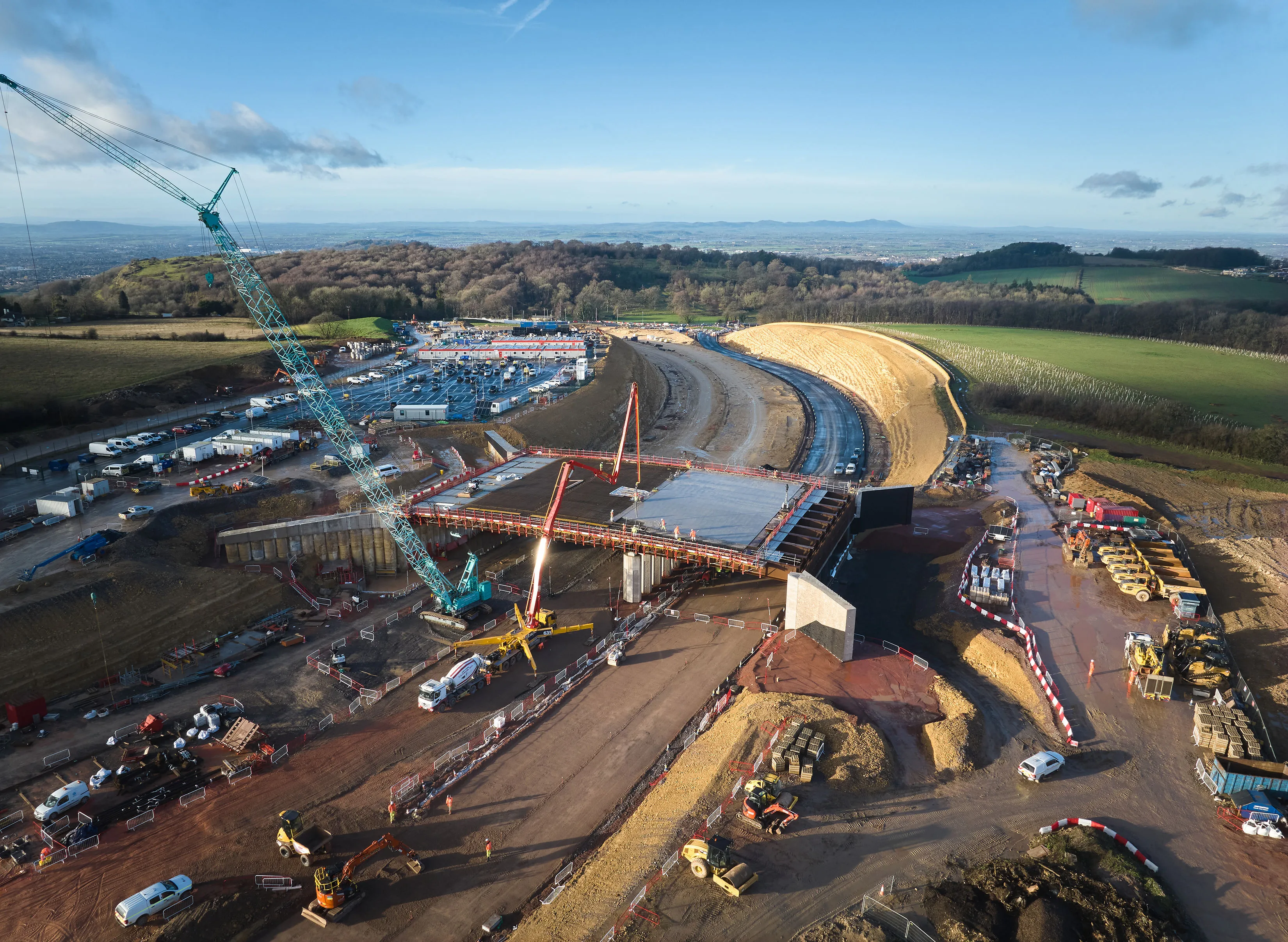
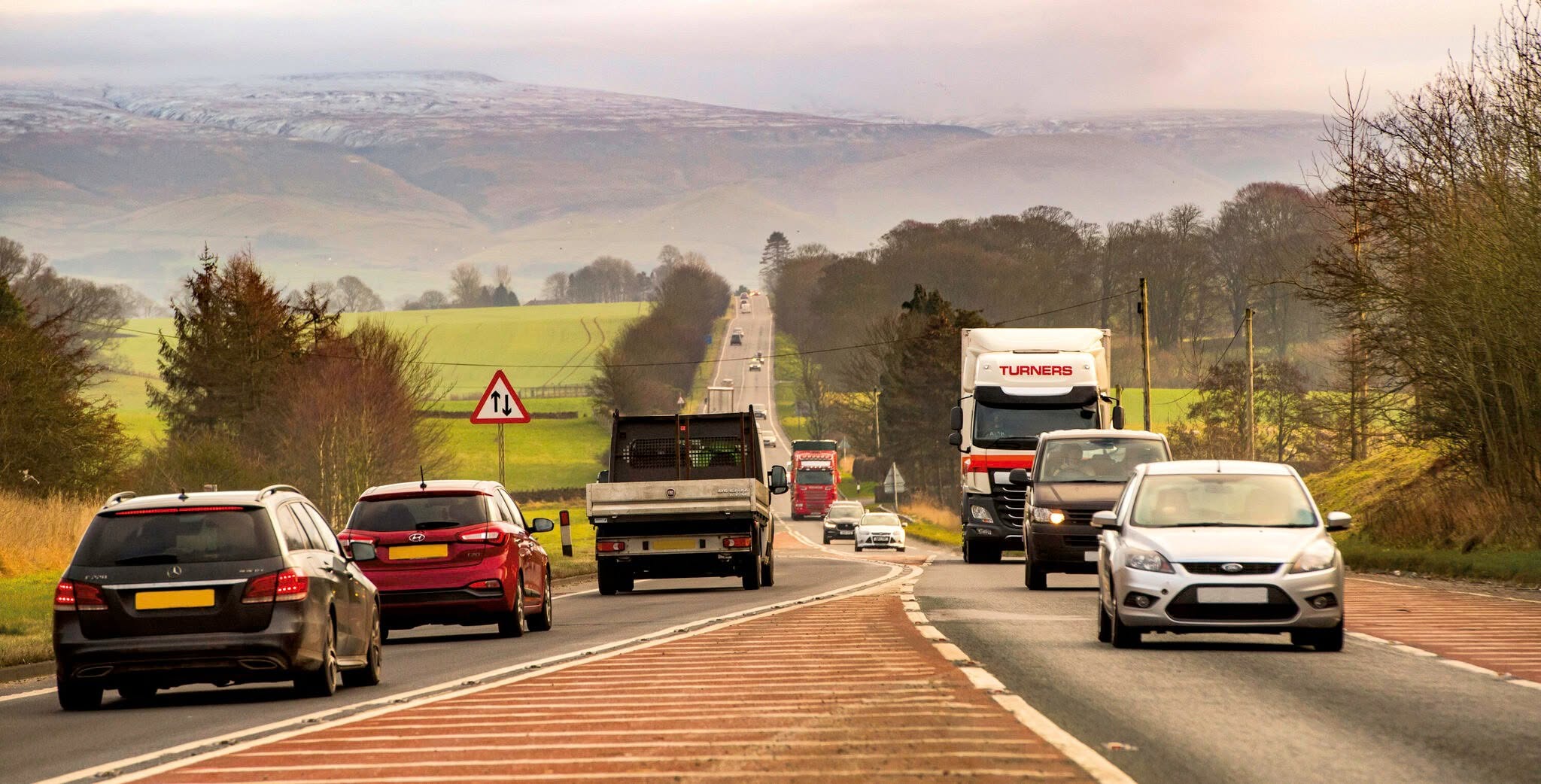
The National Highways A66 Northern Trans-Pennine upgrade is a major infrastructure project to dual the remaining single-carriageway sections along a 50-mile stretch between Cumbria and North Yorkshire. It is one of the most significant highway improvements in northern England.
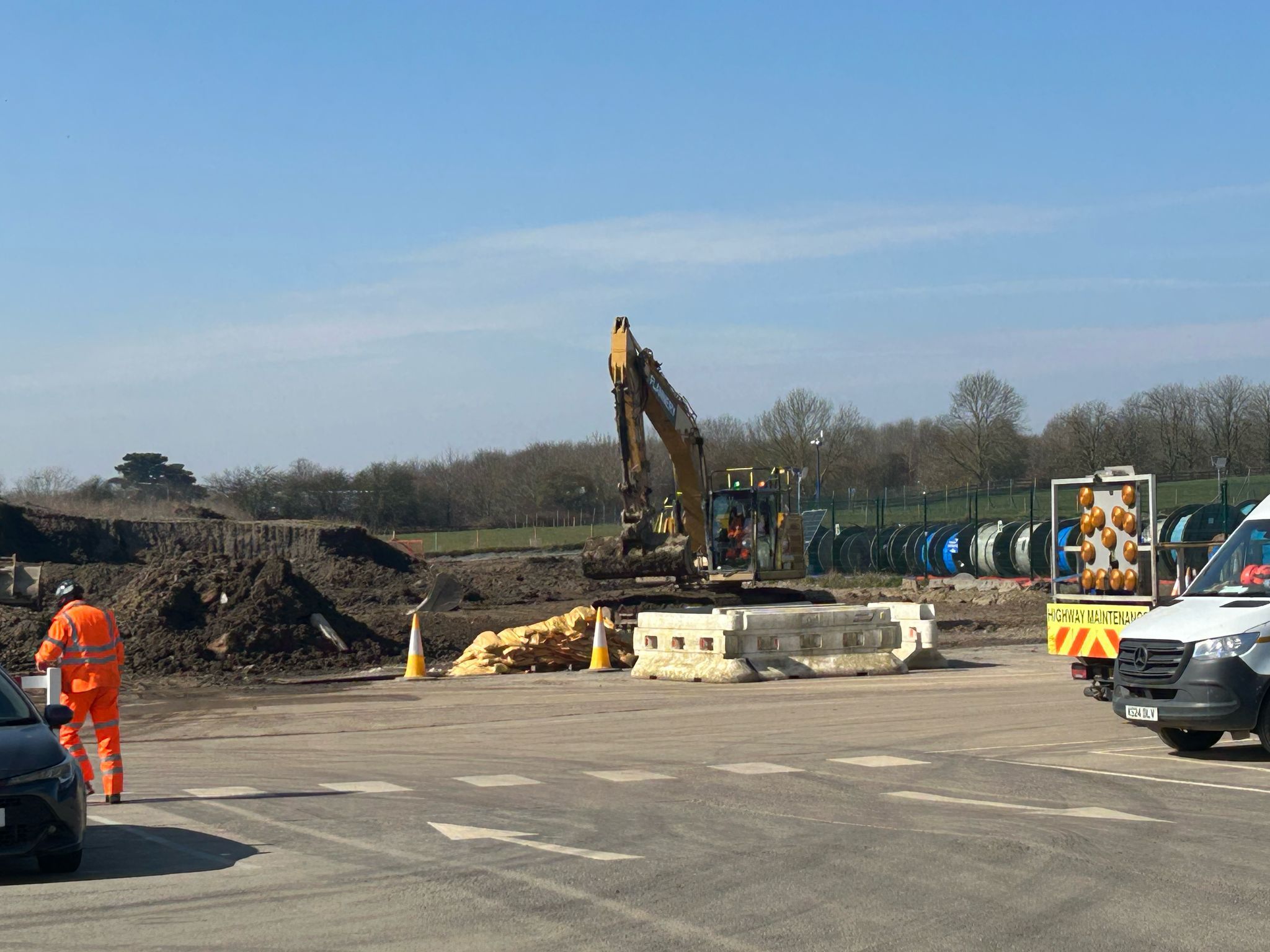
As of writing, the team at Kier is in the early enabling phase of the works, including stat diversions, temporary central reserve hardening, drainage, and ground investigation. This is one of several sections that make up the wider scheme, and one of the furthest into construction.
To learn more about how the Kier team is delivering this project, we spoke with Project Manager Luke Presho, Site Agent John Large, and Site Engineers Cam Barnett and Jack Parker.
The challenge
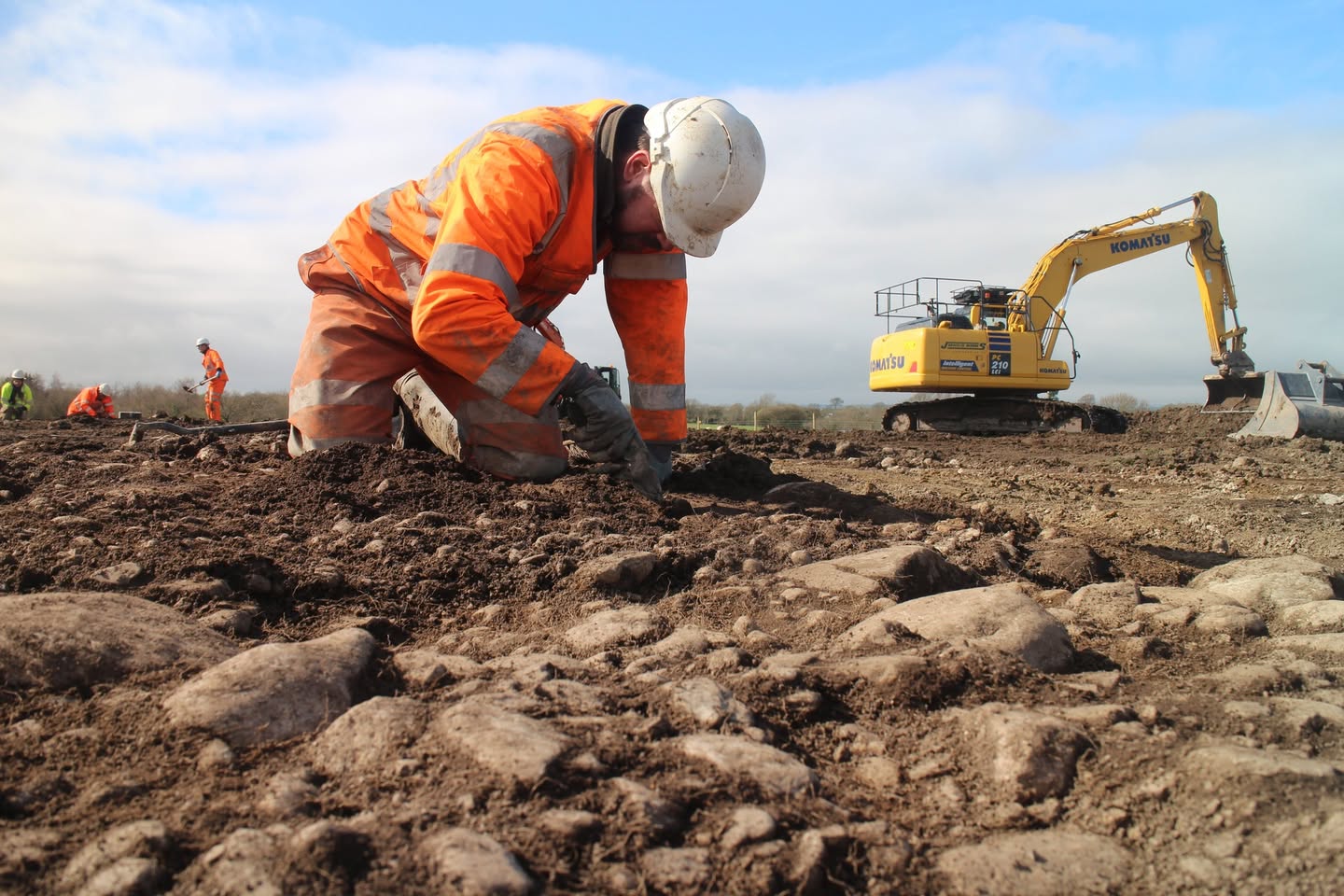
On a job like the National Highways A66, the task of creating a record of what happened on site is widely distributed across the team. With multiple gangs, subcontractors, and self-delivered works all running at once, the day gets captured in many good-faith ways at the same time, including personal diaries, written notes, documents, smartphone photos, WhatsApp groups, and shared folders.
This is a structural problem with large, multi-section infrastructure work. With no single place holding the full picture, anyone trying to understand what happened has to reassemble it from several people and sources, and information gets collected twice.
Then — far more painfully — it bites later, when a commercial question or dispute surfaces and the evidence you need most turns out to be the hardest to find.
Say we had an issue eighteen months down the line. In the past, we’d have multiple people in a room asking what happened that day, with everyone ratcheting through their photos and what they’d written down, trying to find the answer.
John Large, Site Agent
Solution 1: Run one shared record of the day
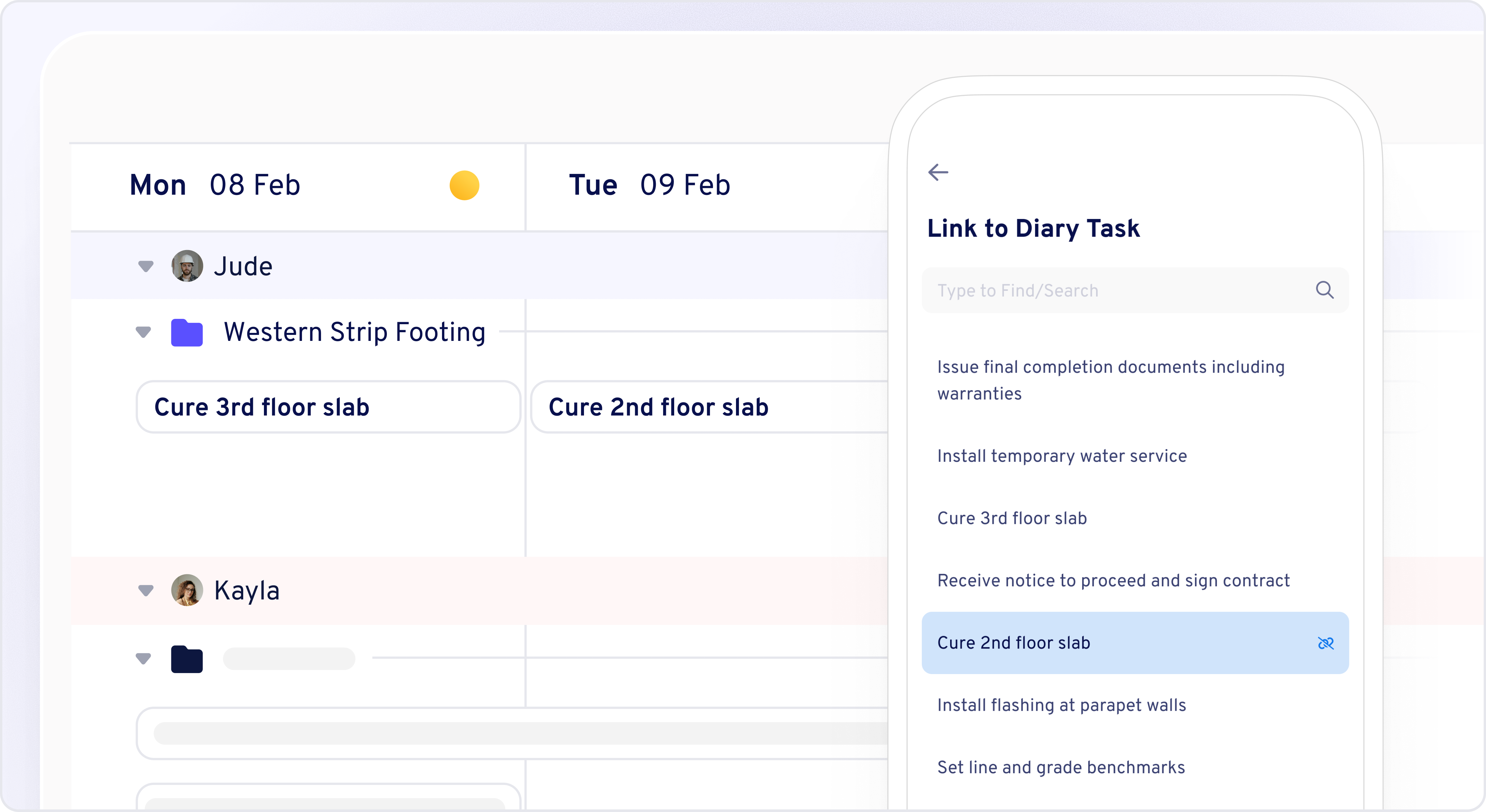
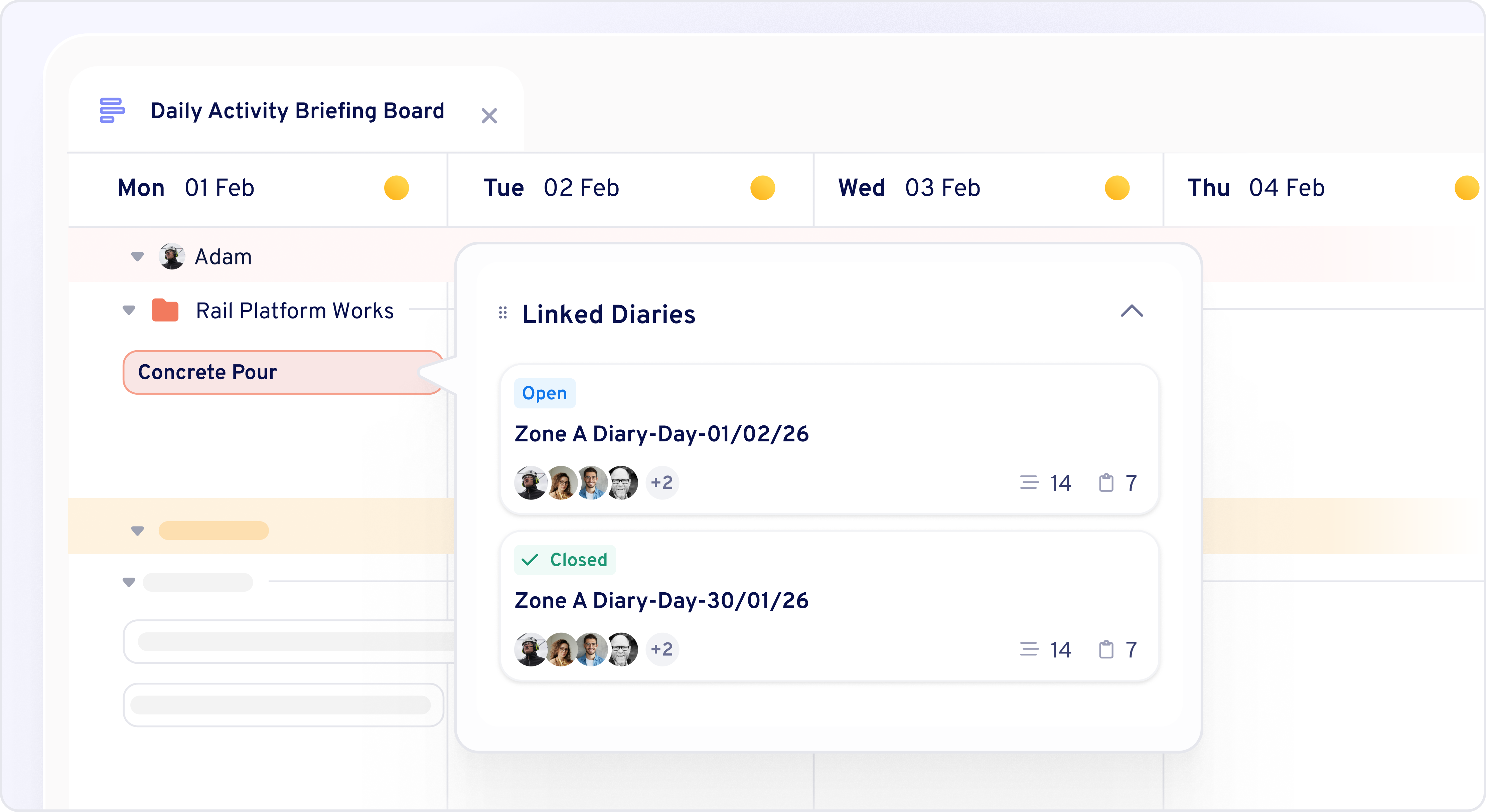
The Kier team's first move was the simplest and the most important: instead of everyone keeping their own diary, the whole team feeds into a single shared record, connected to specific tasks in their short-range plan. Agents, engineers, the works manager, and the foremen all contribute to the same daily record. This means nothing is siloed in one person's notebook, and the day no longer depends on a single observer being everywhere at once.
But collective input only works if someone keeps it coherent. That's the second half of their practice: a single owner. On the National Highways A66, that's John. First thing each morning, John opens the day's record and closes the previous one after running a quick quality check.
The result is a record the whole team can stand behind. It's contributed to by everyone, checked by one person, and every entry is tied to the work it relates to. This means that when a commercial question surfaces months later, the answer is immediately accessible in the record and isn’t something the team has to reconstruct from disparate notes.
Since going live, the shared daily record for the Keir team has become a genuine habit rather than an occasional task. Across 125 daily diary entries from 21 January to 9 July 2026, the team captured 3818 photos and 1008 notes. That is roughly 31 photos and 8 notes every day, contributed by the whole site team.
What we have on this project that you don't always have is real visibility. As a project manager, it can be difficult to get to site as much as you would like. Having Aphex allows me to keep up to date with site progress, as well as having the ability to extract progress records and photos for meetings, reports, and presentations.
Luke Presho, Project Manager
How to do this with Aphex
Run a single shared diary that the whole team contributes to, rather than one per person. Each note, photo, or voice note is captured against the task it relates to, so the record stays tied to the plan and anyone passing by a piece of work can add to it on the same day it happens.
Give that diary a single owner. Aphex draws the day's contributions together into an AI-drafted summary, so closing out is a review rather than a rewrite: the owner opens the new day first thing, then checks the previous day's entries against the right tasks and signs them off.
Set the template to match the job. Shift patterns and weather-logging times can be configured to fit how your team actually works, including long-weekend or day/night shifts, with weather logged automatically. Labour and plant can be recorded against the same day, so resourcing sits alongside progress.
A major benefit for me of Aphex’s Site Diaries is the fact that anyone can contribute. Everyone’s updates about what’s happening on site are kept in one place.
Cam Barnett, Site Engineer, Kier
Solution 2: Capture the day as it happens
The second practice changes when the record is made. Instead of one person sitting down at the end of the shift to reconstruct the whole day from their memories and camera roll, the record is built live, directly connected to the short-term plan. That widens who can contribute. Anyone passing a piece of work can capture it, even work they aren't running themselves, so the day is recorded from several angles rather than one.
Capturing as you go also removes the end-of-day grind. There's no copy-pasting yesterday's entry and editing it down. Instead, the team writes their notes linked to the task, and they’re done. For site engineers Jack and Cam, diaries that used to take up to forty-five minutes now take under ten.
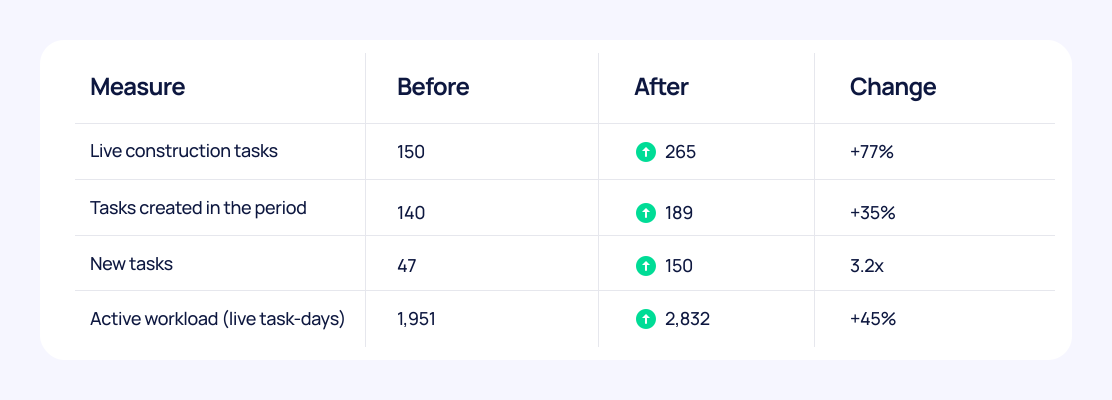
One consequence of this workflow is that the project has a bigger, more detailed plan. In the ~5.5 months before, compared with the ~5.5 months after, the team planned more work at a more granular, work-ready level.
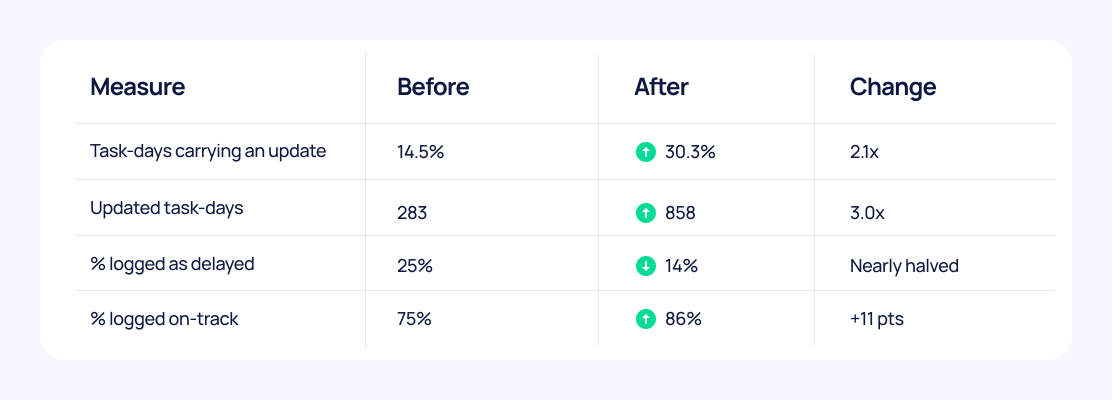
Another consequence is that a far greater share of that plan is now actively maintained on a day-to-day basis. While the project's active workload grew by around 45%, the volume of recorded updates grew by around 200%. The team developed a larger, more detailed construction program and tracked a much higher proportion of it.
How to do this with Aphex
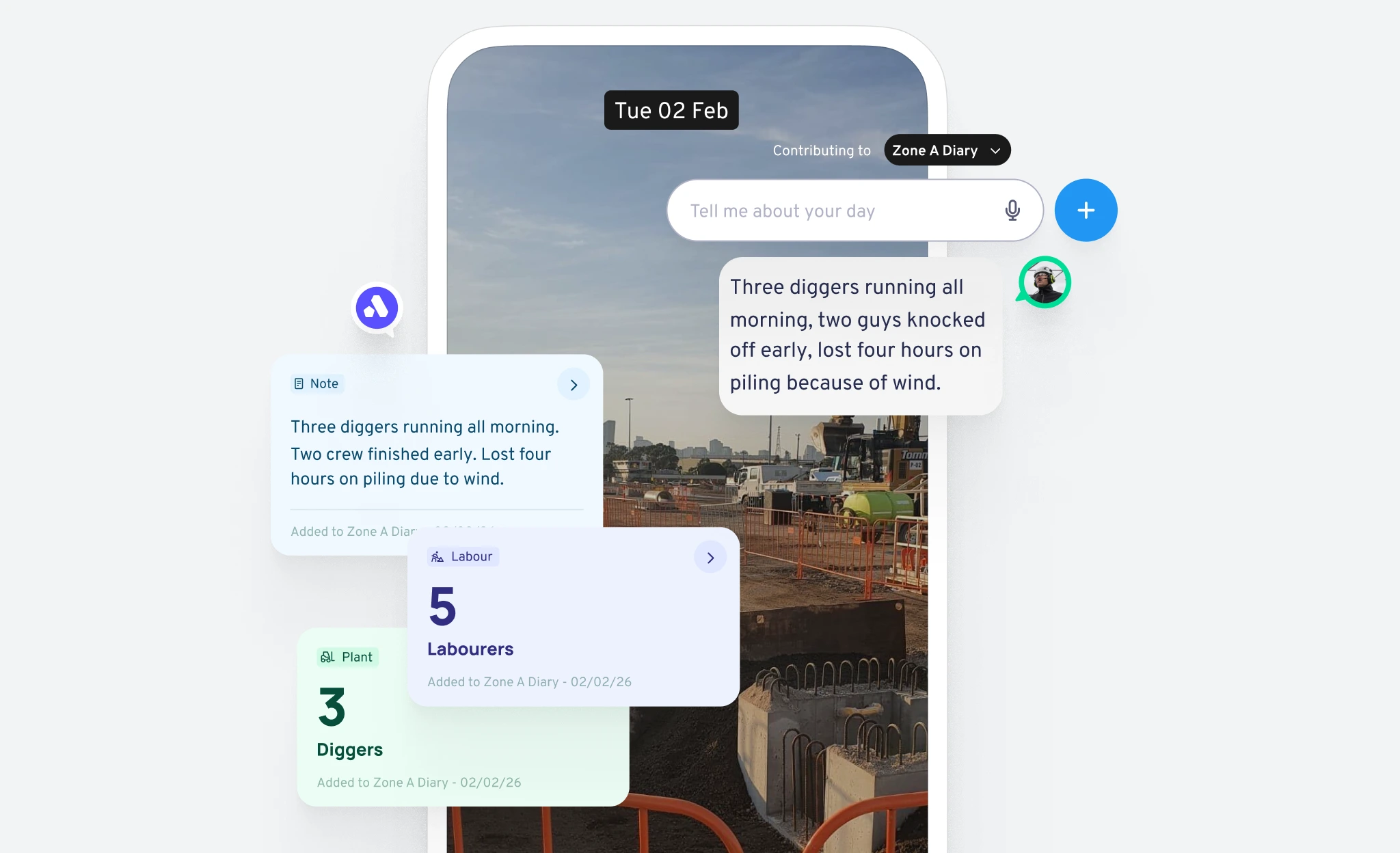
Capture in the moment from a phone on-site. Add photos, type or dictate notes with voice-to-text, and link to the task it relates to as you walk, even work you aren't running yourself. A photo on its own is still useful, so there's no need to caption everything to make it count.
Because entries go in as they happen, there's no copy-pasting yesterday's diary and editing it down at the end of the shift. The day is already in the record by the time work stops, and closing it out is a quick review.
Solution 3: Make every record instantly retrievable
Because each note and photo is linked to its task, the record can be opened in two ways. Search by date to see a whole shift, or open a task from the plan to pull every diary note and photo logged against it, across the team and the life of the work.
The same record is open to the wider team. QSs and the commercial team can find what they need themselves, and managers can pull photos straight from the diary for client and stakeholder updates, rather than routing every request back through the people on site.
No doubt in five years' time, someone's going to ask me a really difficult question. With Aphex, we should have the answers right there.
Cam Barnett, Site Engineer
How to do this with Aphex
Because every entry is linked to the task it relates to, the record opens two ways: by date, to see a whole shift, or by task, to pull every note and photo logged against a piece of work, across the team and the life of the job.
QSs and the commercial team can find what they need themselves, and managers can pull photos straight from the diary for client and stakeholder updates, instead of routing every request back through the people on site.
The results
- Diary time cut from 45 minutes to under 10. Site engineers Jack Parker and Cam Barnett say that diaries that used to take up to 45 minutes now take under 10.
- Recorded updates grew at four times the rate of the workload. Active workload grew by around 45%, but the volume of recorded updates grew by around 200%, so far more of the plan is actively tracked day to day.
- Delays nearly halved, on-track reporting up 11 points. The share of task-days logged as delayed fell from 25% to 14%, while the share logged on-track rose from 75% to 86%.
- A bigger, more granular plan. Live construction tasks rose from 150 to 265 (+77%), with new tasks added at more than three times the previous rate.
I wouldn't want to go back to how we used to do it. Aphex Diaries are working that well for all of us.
Cam Barnett, Site Engineer, Kier

Heading
Lorem ipsum dolor sit amet, consectetur adipiscing elit. Suspendisse varius Duis cursus,

.webp)