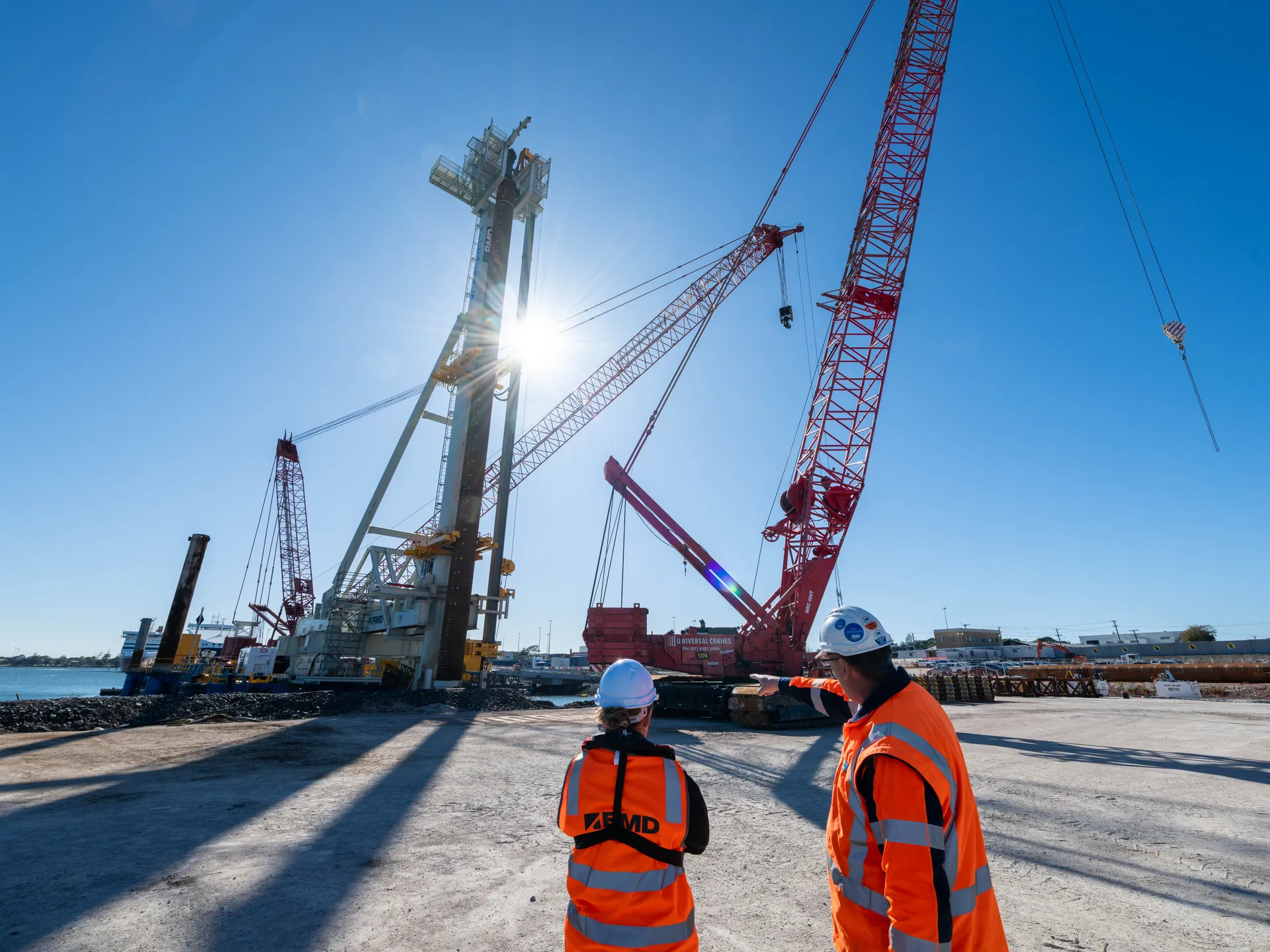


.webp)
It just works. If it's working here, it'll work on other projects. Aphex is perfectly designed to fit what we're already doing.


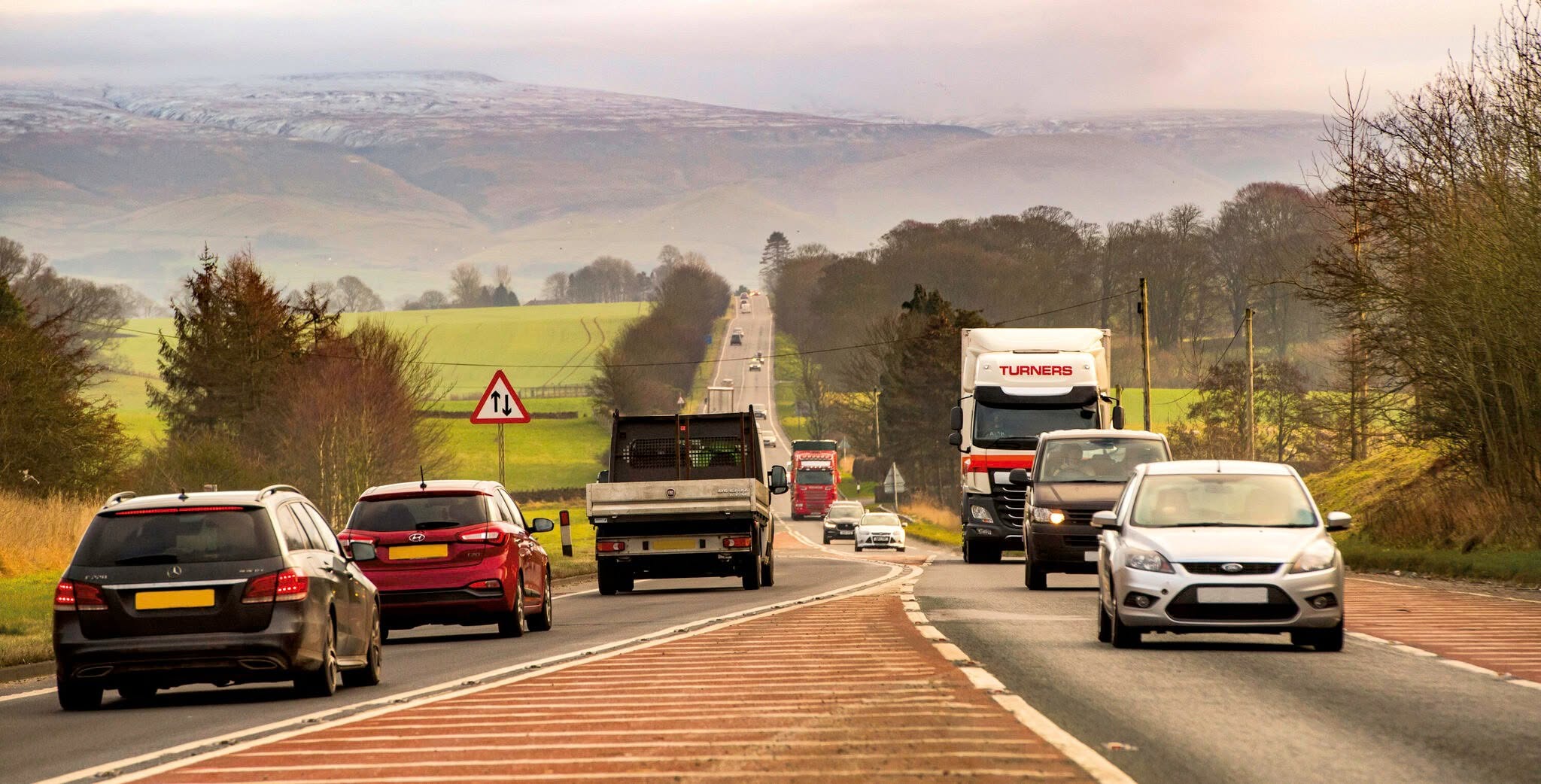
Naarm Way is an express loop road network running from the Tullamarine Freeway into Melbourne Airport. When complete, it will reduce congestion at the airport by separating public traffic from commercial transport operators, allowing travellers to bypass roundabouts and traffic lights.
The Seymour Whyte team is responsible for Naarm Way Stage 2, which includes the construction of new exit ramps. With three ramps under way alongside utility and civil works, the team is coordinating several work fronts at once, inside a busy operating airport.
As part of Seymour Whyte's wider digital engineering and innovation strategy, the team set out to make an already strong planning routine more efficient and more connected. We spoke with Senior Project Engineer Matthew Brown, Site Engineer Alice Barnes, and Superintendent Colin Ratcliffe to learn more about how they've improved delivery with Aphex.
The challenge of keeping a busy site coordinated
Like other delivery teams on major projects, the Seymour Whyte team runs a routine of daily planning meetings to keep everyone on the same page. That routine works, and it is central to how the team delivers. The question they set out to answer was how to make it even more efficient.
On most projects, the day-to-day of that routine leans on spreadsheets and whiteboards. Plans are updated by hand, information is copied across before each meeting, and details often sit in separate places. None of this is unusual, and none of it stops the work, but it absorbs engineering time and makes it harder to keep a single, shared picture of a multi-front site current.
With several work fronts running at once inside a live airport, the team saw an opportunity to strengthen this. By bringing their planning into one connected, always-current view, they could keep the routine they trusted while spending less time maintaining it, and give everyone a clearer sight of how each crew's work affects the rest of the project.
.webp)
Solution 1: Run the project from one live plan
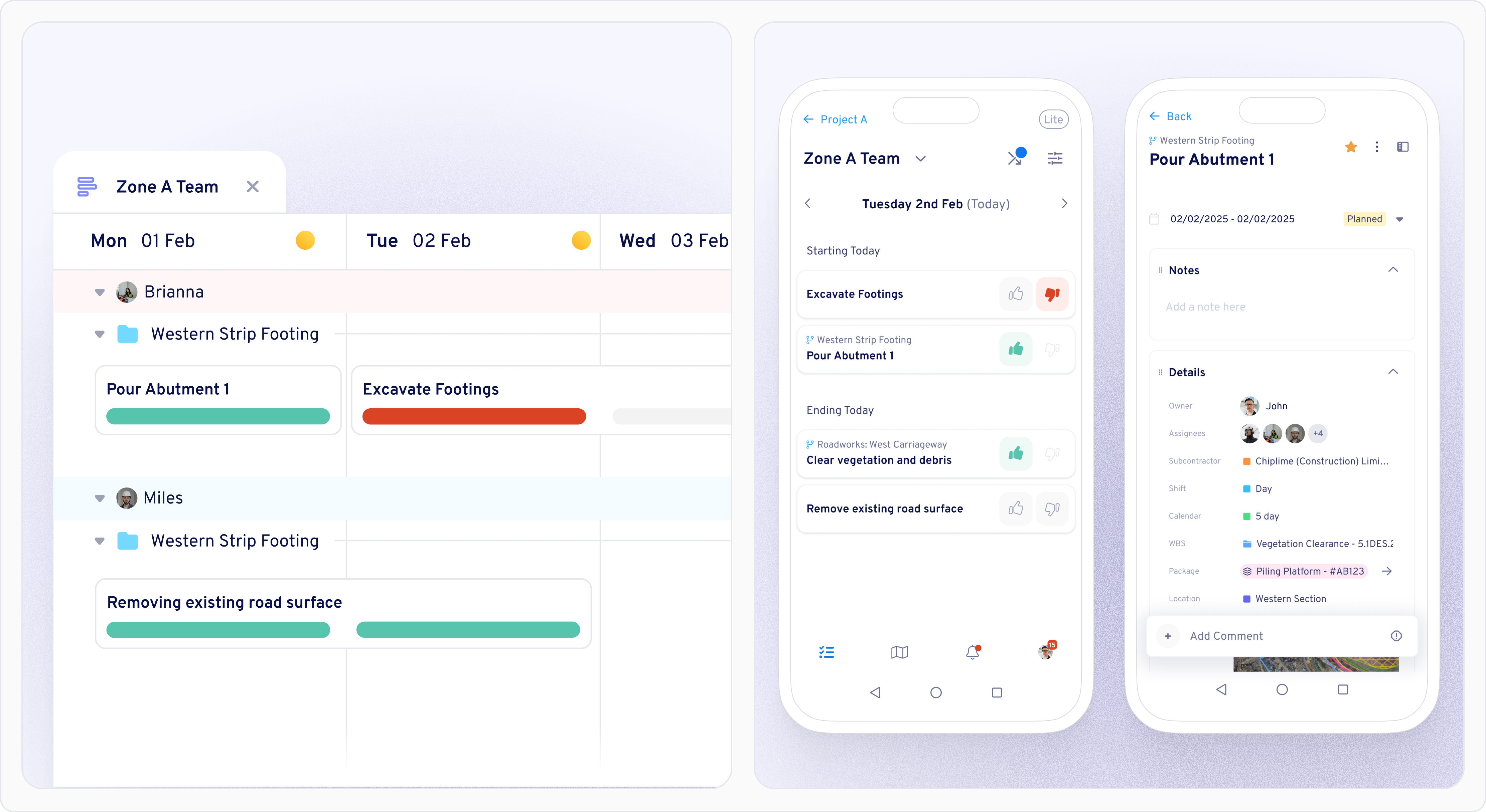
On a site running three ramps alongside utility and civil works, the hardest part of coordination is keeping everyone working from the same, current picture of the job. The team's solution was to use a single shared plan to coordinate delivery. Instead of each discipline keeping its own spreadsheet, and each meeting being staged on a whiteboard, the whole team now plans, updates, and works from one live view of the project.
It works because the team works together to keep the plan up-to-date. Work is updated as it's confirmed, so the plan reflects where the job actually is. Because it is shared, a change one crew makes is immediately visible to the others it affects.
The single shared plan has also taken real weight off the day. The plan is far quicker to keep current, the daily meeting no longer has to be written up by hand beforehand, and the shared view holds more detail and history than a whiteboard ever could. It has been picked up right across the site, with supervisors checking it on their phones before pre-start.
In the past, I used to spend up to forty minutes updating the plan each day for the daily meeting. But now, I can update the plan in five to ten minutes. I enter what's happened on site and note down if anything's been delayed. I don't need to worry about breaking connections to other tasks, which happens all the time in spreadsheets.
Alice Barnes, Site Engineer
How to do this with Aphex
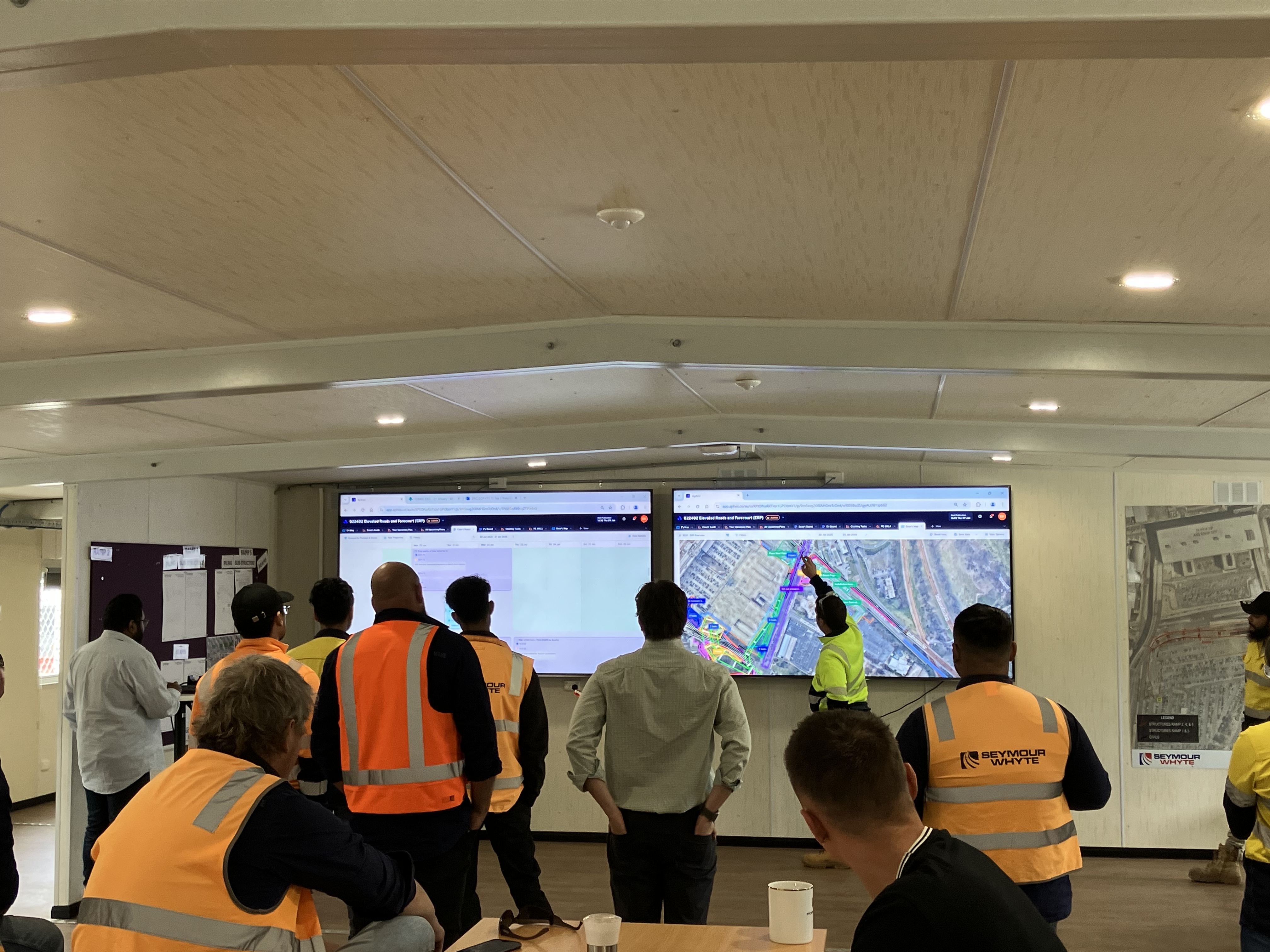
Run your daily meeting straight from Aphex's live Board view instead of a physical whiteboard, with every discipline updating the same plan as work is confirmed. Because the plan is connected, the links between tasks hold automatically when something moves, and the full history stays visible for traceability.
Then, put the plan in everyone's hands through Aphex’s mobile app, so supervisors can check it before pre-start and the whole team works from the same point of truth.
Aphex answered all the questions we had. We didn't need to make major changes to the way we worked. We didn't change the meetings we were having. We didn't change our way of doing things. We've just swapped out our whiteboards and spreadsheets for something that's better and more efficient.
Colin Ratcliffe, Superintendent
Solution 2: See clashes before they reach site
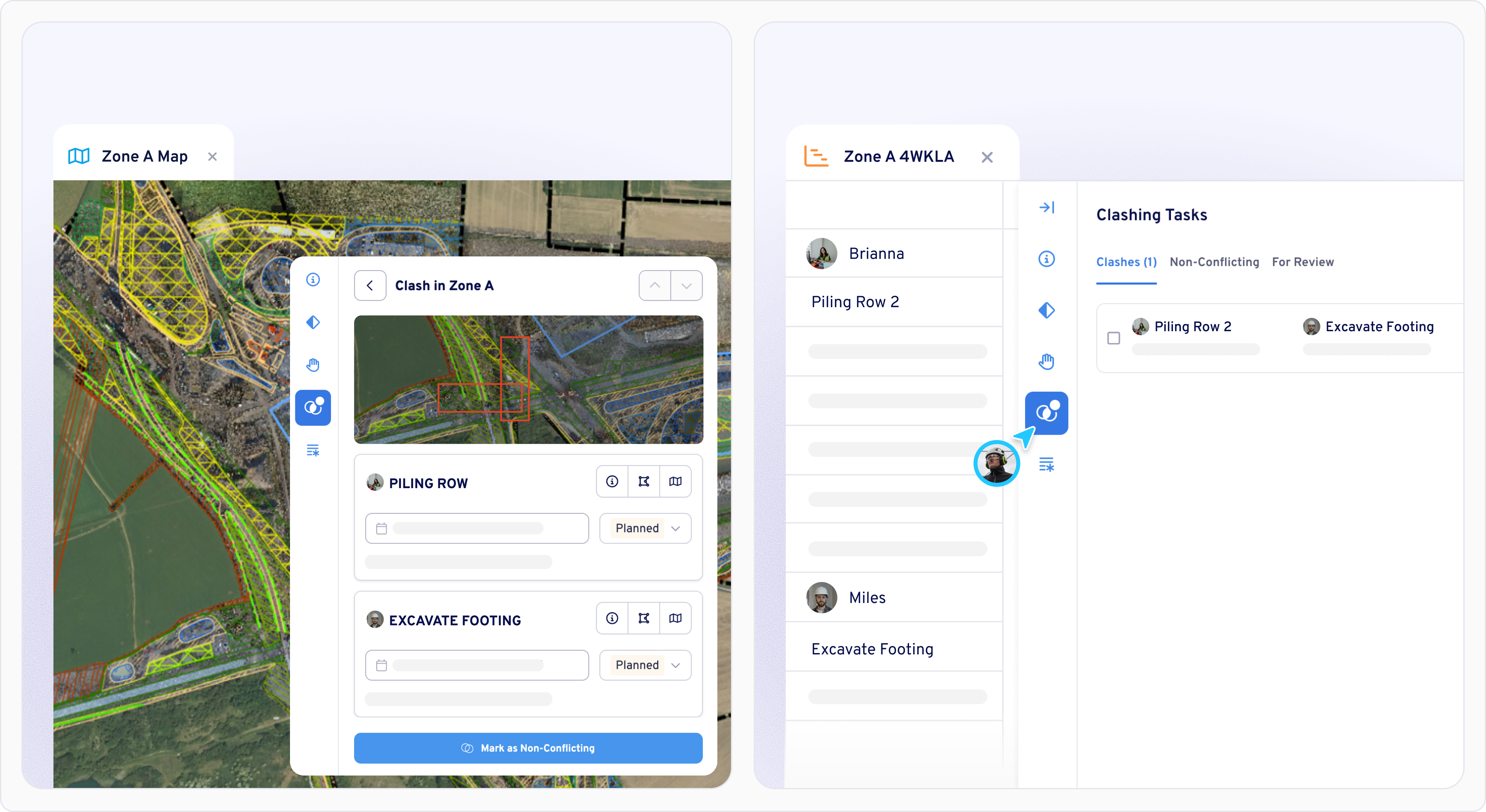
With several crews working across the site at once, the risk that two tasks are planned for the same place at the same time is constant. The team's solution was to find potential clashes earlier, in the plan, before anyone mobilises on site.
Because every discipline plans into the same shared view, the whole project can be checked for conflicts automatically. The moment one crew changes its plan, the effect on everyone else's work is visible, so a clash that would once have surfaced on site now shows up while there is still time to resequence around it.
On the ground, that has driven hard clashes close to zero, which the team sees as the clearest commercial win they've had. Every conflict caught in the plan is a crew that doesn't stand idle and a cost that never lands on the job.
Aphex’s clash detection function is the biggest cost saving. It's really important for us to see where two tasks are assigned to happen in the same area at the same time. We're getting close to zero on those actual hard clashes. And that's definitely saving a lot of money on site.
Colin Ratcliffe, Superintendent
How to do this with Aphex
As every team plans into the same view, let Aphex check the whole project for clashes automatically. Keep a forward view of where crews will be over the coming weeks so overlaps surface while there is still time to resequence. Review the impact of any change the moment it's made, so conflicts get resolved in the plan rather than on site.
Now, people can make changes to their plans and immediately see if it's impacting anyone else's work. In the past, you might not have found out till it's too late. But now, that's happening in real time, which is great.
Matthew Brown, Senior Project Engineer
The results
The shift to one shared, live plan changed both the day-to-day of running the site and the cost of delivering it.
- Hard clashes driven close to zero. Detecting conflicts in the plan before crews mobilise has all but eliminated hard clashes on site, which the team rates as the single biggest cost saving Aphex has delivered.
- The daily plan kept current in a fraction of the time. Updating the plan for the daily meeting now takes a site engineer five to ten minutes instead of up to forty, with no broken task links to repair.
- Hours reclaimed each week from meeting preparation. Presenting a live board removed the need to write everything onto a whiteboard beforehand, saving one engineer a minimum of three hours every week.
- One connected plan across a multi-front site. A project that could have meant five separate plans stitched together by hand now runs from a single shared view, with the whole team, supervisors included, working from the same current picture.
For Seymour Whyte, this sits within a wider commitment to digital engineering, innovation and continuous improvement. Aphex built on a process that already worked rather than replacing one that didn't, and the team has confidence to carry the approach onto the next project.
It just works. If it's working here, it'll work on other projects. Aphex is perfectly designed to fit what we're already doing. It gives us the board, the map, the Gantt, the three things we already use in our planning. It's just a way smarter version of all three.
Matthew Brown, Senior Project Engineer

Heading
Lorem ipsum dolor sit amet, consectetur adipiscing elit. Suspendisse varius Duis cursus,


.webp)