.webp)
With less admin and better collaboration, we’ve made our team even more effective. Costain always delivers high-quality work, but Aphex has made it easier to do this predictably over a long period of time. And as a business, this is critical for us to secure future work.


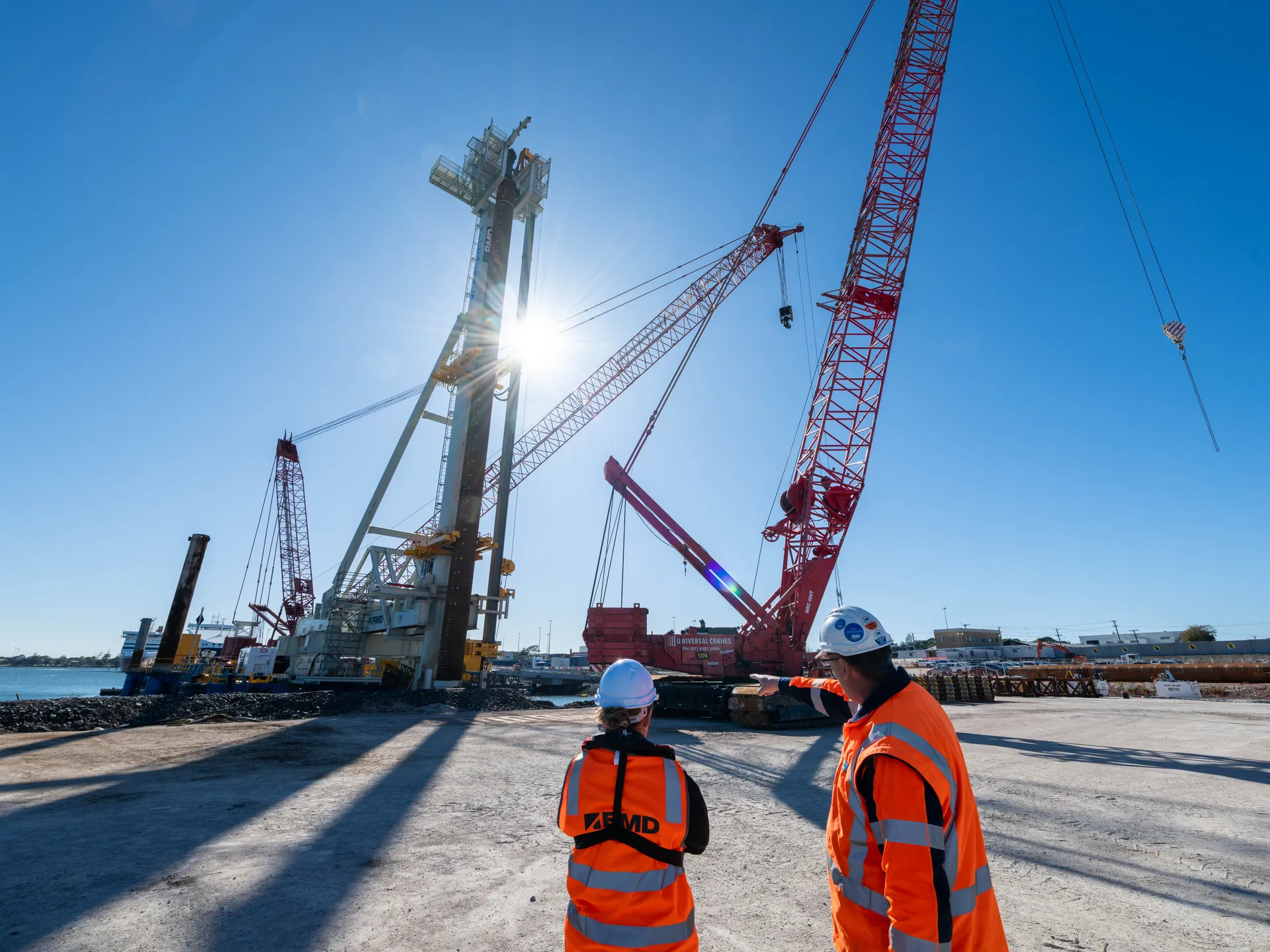
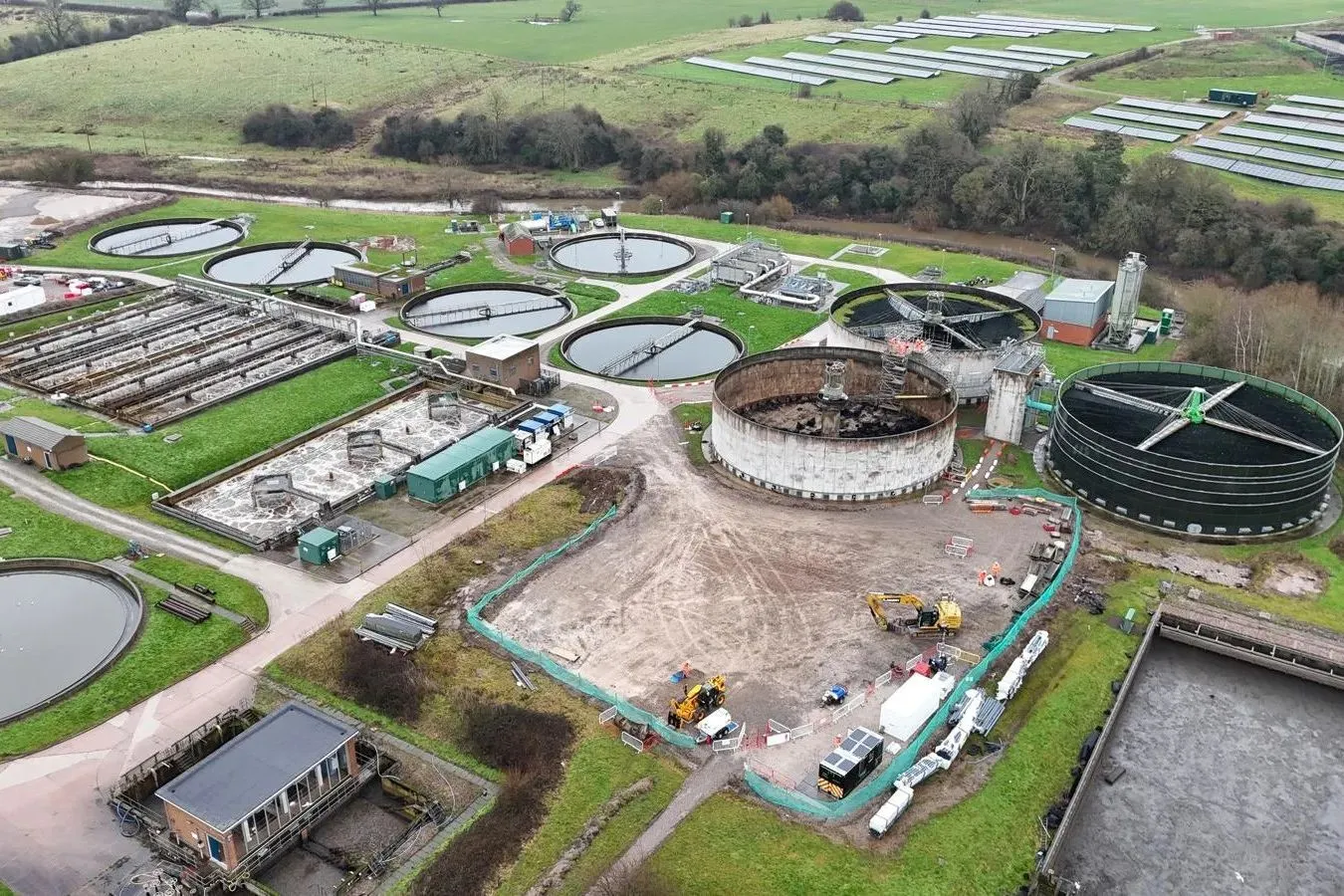
Costain is delivering major capital projects for Thames Water's AMP8 program, upgrading critical wastewater treatment works to meet regulatory standards.
The framework includes early contractor involvement (ECI) and surveys, as well as outline design services delivered through specialist design houses. Works orders span the full project journey, including detailed design, procurement, construction, and commissioning. As of writing, there are 25 active projects at various stages, with the framework potentially worth up to £2 billion across the AMP period.
We spoke with Mike Fellows, Planning Lead from Costain to learn more about their successful implementation of such a complex framework.
The challenge of coordination on multi-project frameworks
Frameworks that juggle multiple projects and delivery phases run into coordination problems that stem from how teams naturally organise work.
The challenge starts in pre-construction. Construction teams can plan around contractual start dates without insight into the design deliverables, procurement activities, and subcontractor onboarding that determine whether those dates are achievable. As a result, by the time delays in pre-construction become apparent, the start date may already be missed.
Contract boundaries reinforce this: design, ECI, and construction teams each manage their own activities without systematic coordination. Design might be on schedule, but if procurement adds 50 days after completion, the construction team often won't know until it's too late to adjust their mobilisation plan.
The same dynamic plays out with people. Engineers and specialists working across multiple projects tend to discover they're double-booked when mobilising work, not during planning, when adjustments would still be straightforward.
In other projects, design is completely siloed. ECI is completely siloed. There’s no integrated single source of truth for production control or short interval planning at all.
Mike Fellows, Planning Lead

Costain's approach: Extend proven coordination practices to preconstruction
The Costain team recognised that coordination routines used in successful construction projects could also be applied to preconstruction.
This approach means that coordination challenges become opportunities for early intervention. When design deliverables, procurement activities, and resource allocation are visible across the framework, teams can learn from patterns, share solutions, and continuously improve program reliability.
In this way, the framework becomes smarter with each project.
Central to this routine is continuous short-range plan updates, weekly coordination meetings, systematic project-wide progress tracking, and transparent communication across the board.
I'd say the construction part of a project is just the tip of the iceberg. So much happens beneath it. The real crux of your planning occurs in the pre-construction phase: detailed design, procurement, contract execution, everything leading up to that start on site.
Mike Fellows, Planning Lead
Solution 1: Track design deliverables with the same weekly discipline as construction
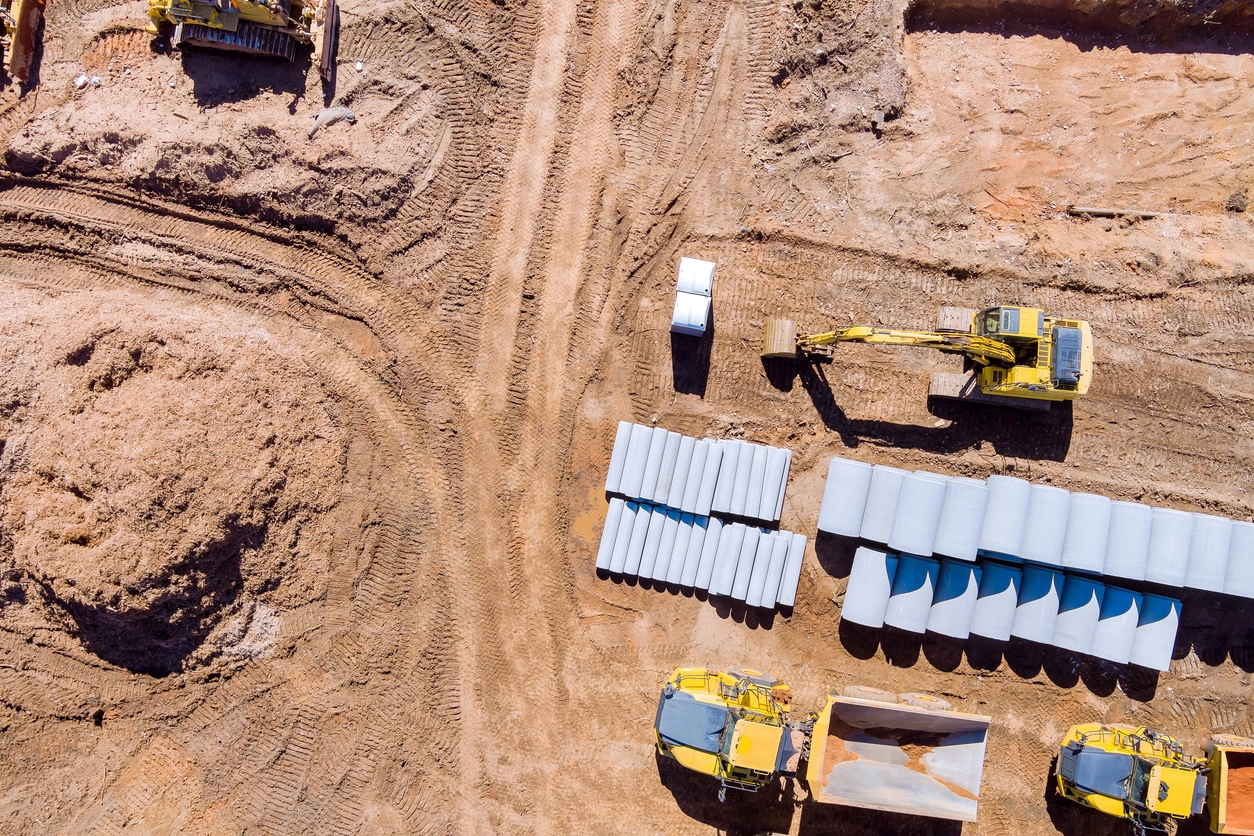
Costain's first solution is to extend proven construction coordination practices to design and preconstruction. This creates early visibility that protects delivery timelines.
For projects in the design stage, the Costain team runs weekly lookahead meetings where design leads and subcontractors update their sections of the plan, just as site teams would during construction. Each party maintains its own scope in the short term while sharing insights that help the broader team prepare for upcoming work.
This weekly discipline creates early visibility across the entire framework. When a design review extends, or a subcontractor identifies a technical challenge, the team sees the impact on the overall design program immediately. This enables the team to make adjustments, while there's still time to maintain the construction start date and protect framework delivery.
It doesn't matter if it's a physical on-site construction activity or if it's producing a design deliverable. It's still just as important to manage and track that and understand how it's going to affect our outline deliverables for each of the contracts.
Mike Fellows, Planning Lead
How to implement with Aphex
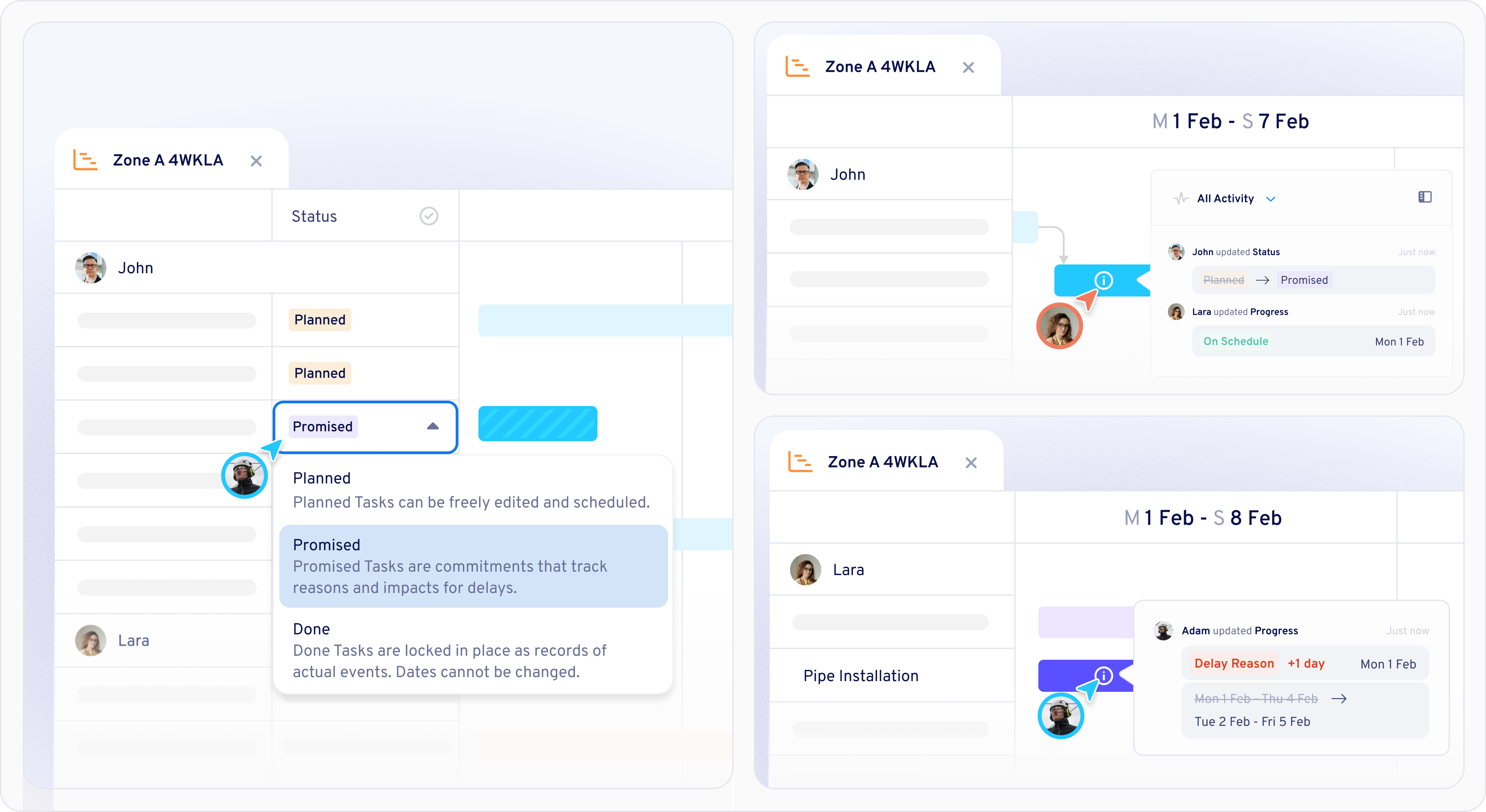
Create Aphex projects from day one of the contract, and apply the same weekly coordination discipline to design and procurement that you'll later use on site. Build tasks for design submissions, review cycles, and approvals with explicit dependencies, and import high-level contract milestones so near-term planning stays connected to formal commitments.
Run weekly meetings where design leads and subcontractors commit to upcoming deliverables, and use Aphex's delay reason capture to track why activities shift, whether that's resource constraints, information gaps, or scope changes. For suppliers working directly in Aphex, give them access to update their own progress; for others, have design managers update activities during coordination meetings to keep information current without forcing system changes.
From day one of the contract, even if you're just managing your internal team's tasks and key deliverables, Aphex is useful. If you're not using Aphex, you're using Excel. And if you're doing it in Excel, you're doing it wrong.
Mike Fellows, Planning Lead
Solution 2: Track progress across the entire framework
Managing 25 projects simultaneously requires understanding both individual site performance and framework-wide patterns.
To meet this challenge, Costain created separate Aphex projects for each site so project managers can focus on their sites without wading through unrelated work. At the same time, the team used Aphex’s Power BI integration to track PPC (Percent Plan Complete) performance and delay patterns at the framework level.
This framework-wide visibility creates a learning loop that continuously improves program reliability. Lessons from one site inform planning across all others, making programs progressively more realistic as the team learns what drives actual delivery.
If we're looking at real lessons learned, we need to see all of the data. It's important that we understand how issues are affecting multiple sites, because they generally do. Issues are never isolated to one site or another.
Mike Fellows, Planning Lead
How to implement with Aphex
Set up separate Aphex projects for each site to keep daily coordination manageable. This means that project managers can log in to see just their work without scrolling through the entire framework.
Connect Power BI to create custom dashboards that fit your specific reporting needs. Pull data from across all projects to spot performance trends, track resource allocation, and identify recurring delay causes.
Make sure you're consistent with tagging across all projects, especially for subcontractors and delay reasons. Without consistent data capture, your consolidated reporting won't be as valuable.
With Aphex, we can track PPC across the whole of the program as well as individually on each site, so we've got the best of both worlds.
Mike Fellows, Planning Lead

Solution 3: Regularly share current plans with the client
Most frameworks limit client visibility to formal program updates at major milestones. Costain takes a different approach.
Every Friday, the team publishes their Aphex plans and shares the link with the Thames Water team. This gives the client visibility into upcoming work across all sites without requiring them to work directly in Costain's system.
Project managers also use Aphex during progress meetings, sharing screens directly rather than preparing separate presentations. This transparency builds trust. When clients see current reality rather than outdated formal programs, they can coordinate their own commitments and more effectively support contractors when issues arise.
We share our PPC scores every week across the whole framework, including the delay root causes. Our PMs are comfortable with Aphex and confident in the information within it, so we even share that screen directly with our client when discussing progress and upcoming tasks.
Mike Fellows, Planning Lead
How to implement with Aphex
Set up a weekly publishing routine in Aphex. Every Friday, click 'Publish' to create snapshots of your current plans to share filtered lookaheads with your client and stakeholders.
Use Aphex directly in client meetings instead of preparing separate presentations. You can filter views in real-time to focus on specific work packages or time periods, making discussions more dynamic and relevant.
Remember to keep a clear separation between your working-level coordination in Aphex and your formal contract program. Aphex provides everyone with the current delivery coordination details, while your contract program remains the baseline for commercial management.
Without Aphex, you're stuck producing slide decks, milestone tables, and executive summaries. It all gets lost in translation. Aphex is far more intuitive and concise than other planning software like P6. It's really easy to understand what you're looking at at a glance.
Mike Fellows, Planning Lead

The results
Costain's approach delivered improvements in performance visibility, client relationships, and cross-phase coordination. After seeing these positive results from early design partners, the Costain team is encouraging the adoption of Aphex by designers across its business.
- Systematic performance tracking across 25 projects. The team tracks PPC and delay patterns across all sites, spotting recurring issues that need framework-level solutions. Consolidated data supports evidence-based conversations about resource allocation and supplier performance.
- Strong client relationships through transparency. Thames Water receives weekly updates on progress and performance. The open approach to sharing both successes and challenges has built trust and improved coordination throughout the framework.
- Improved coordination from pre-construction through construction. Design, procurement, and construction are coordinated through the same weekly planning cycle. Teams spot dependencies and conflicts during planning rather than discovering them during execution.
We've seen the value of Aphex with one of the designers to the point where we're going to mandate this now for all of our pre-construction programs, all of those service orders for all suppliers. Aphex is a standard that we're going to set going forward.
Mike Fellows, Planning Lead
What you can apply
- Start systematic planning at contract award, not construction mobilisation.
Implement systematic coordination from contract start, tracking design deliverables alongside construction activities.
- Structure projects individually while maintaining framework-wide visibility. Configure reporting to pull data across all projects, revealing patterns and recurring issues that need framework-level solutions rather than site-by-site fixes.
- Share current information with clients weekly, not just at formal milestones. Establish weekly publication routines that provide visibility into current plans and performance. This transparency builds trust and improves coordination.

Heading
Lorem ipsum dolor sit amet, consectetur adipiscing elit. Suspendisse varius Duis cursus,

.webp)