With Aphex, we have all the input we need from the whole team. It makes our short-term plans much more accurate and realistic.


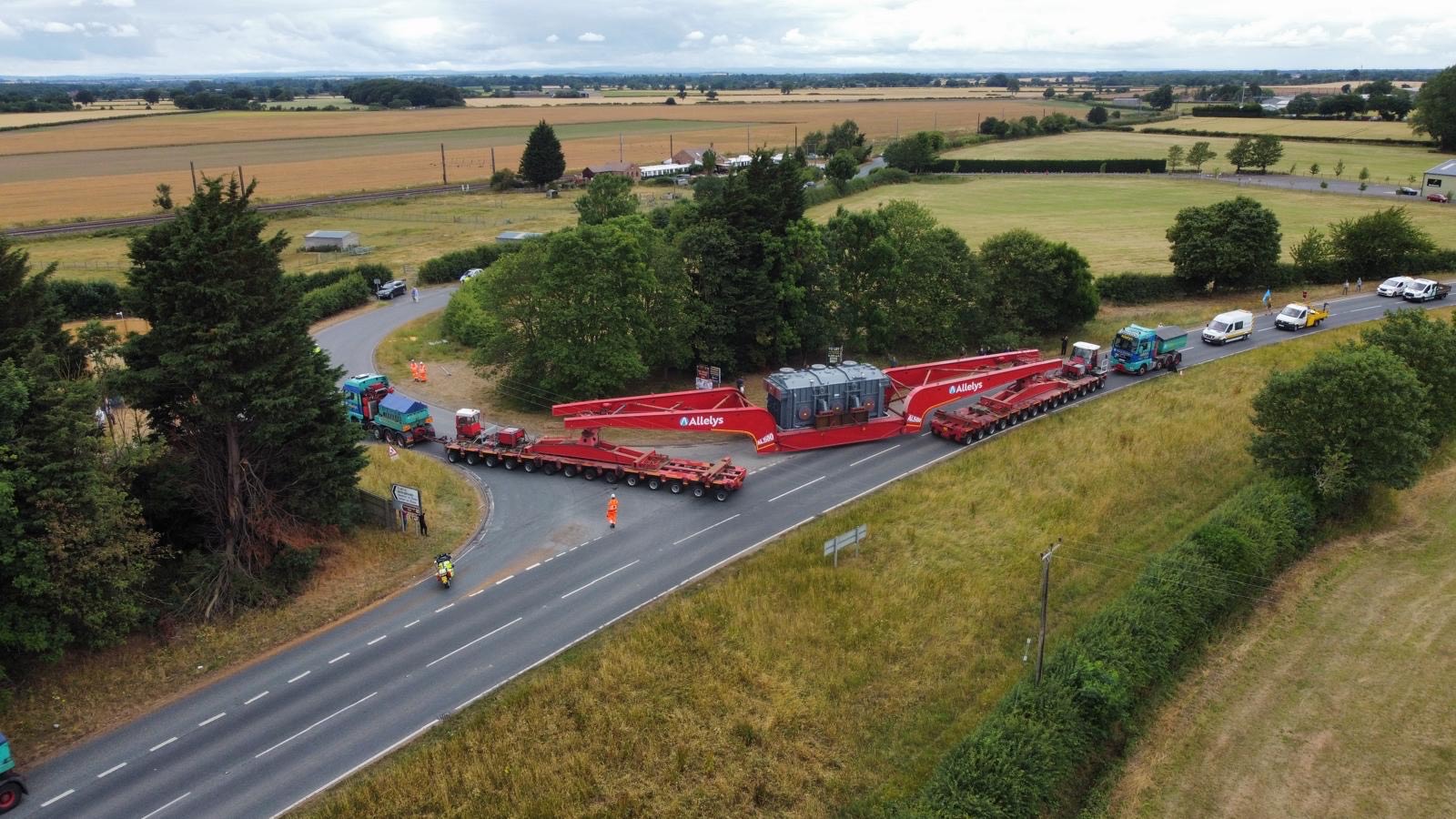
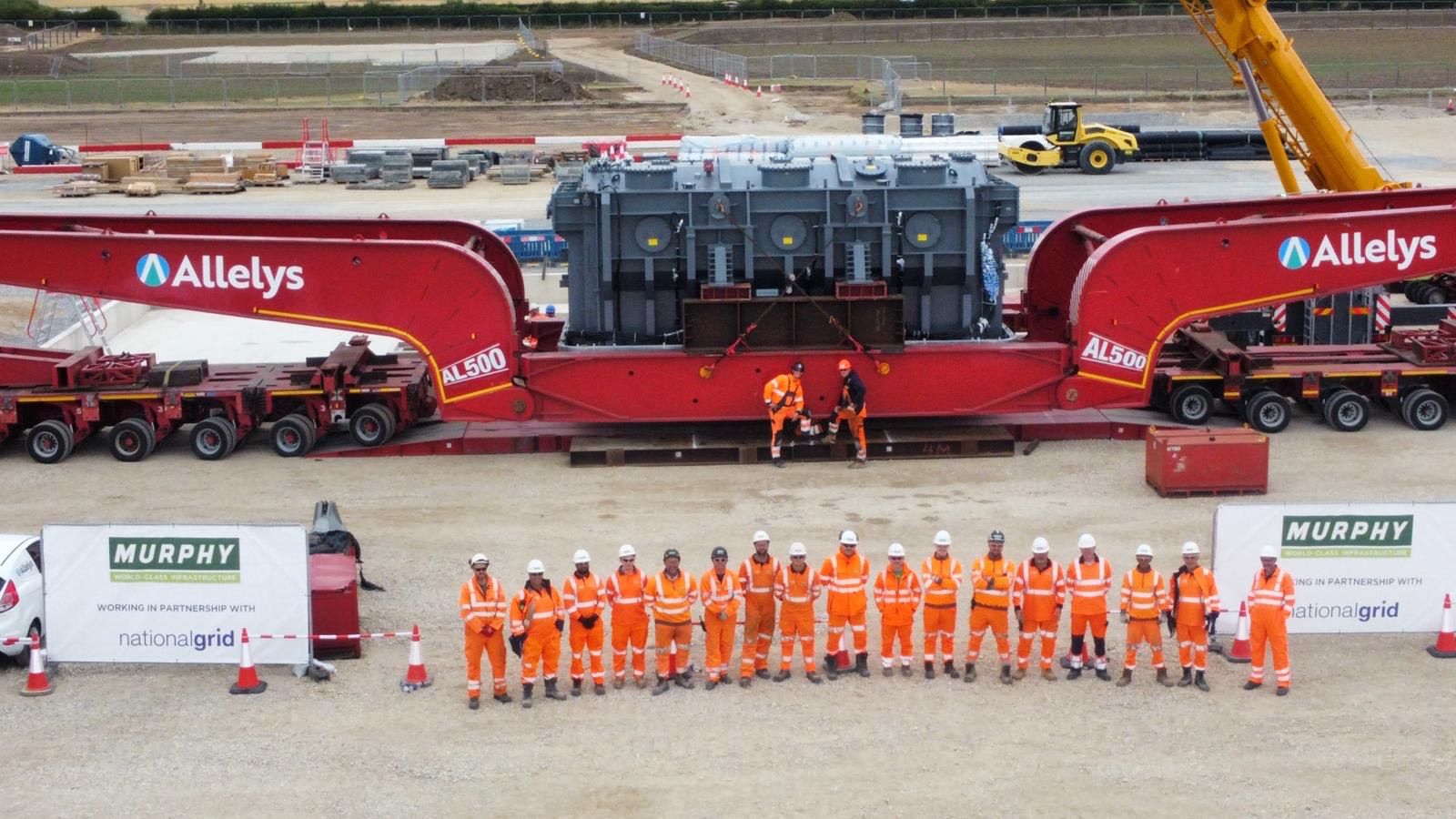
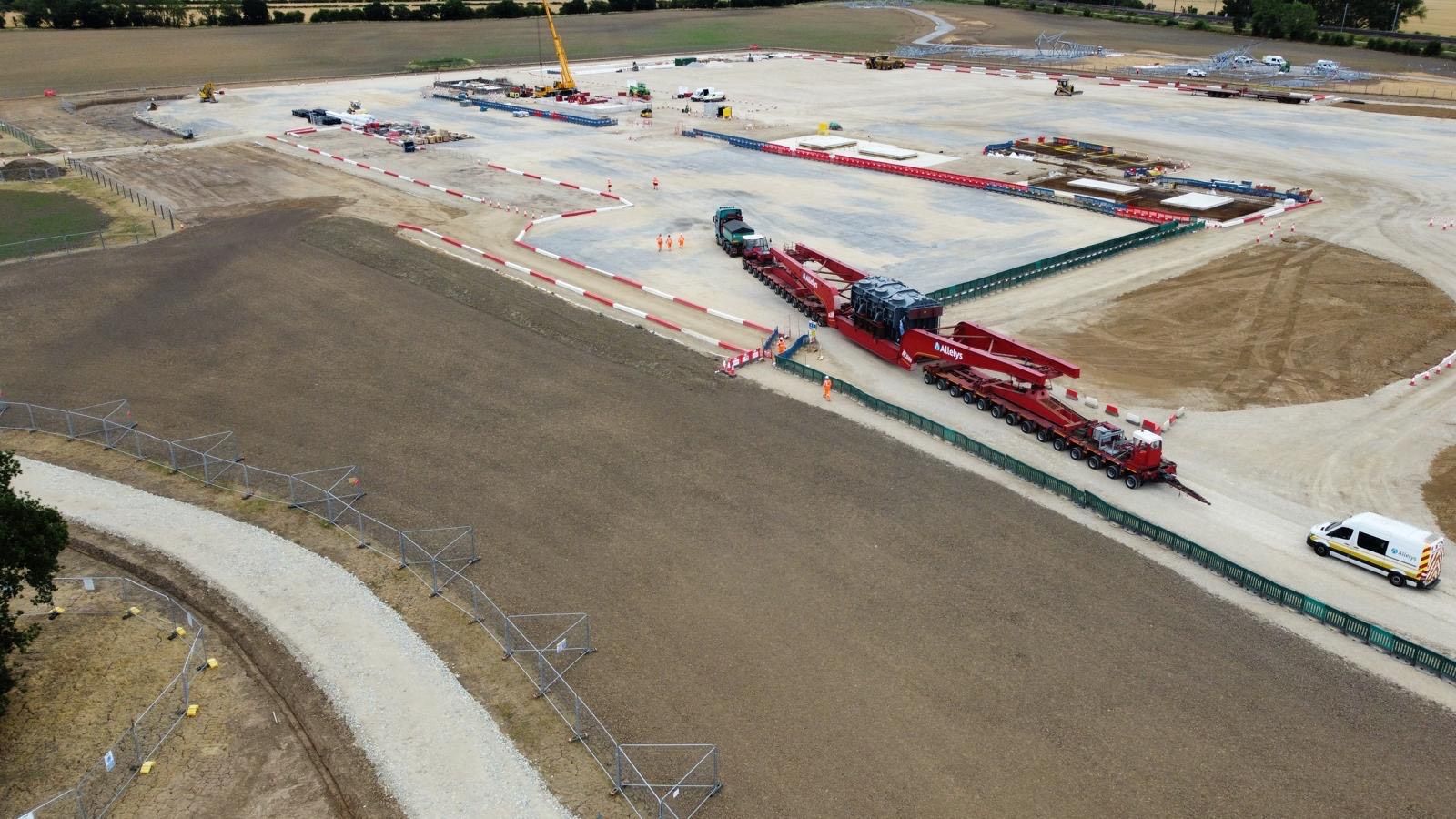
Yorkshire Green is part of the Great Grid Upgrade, the largest overhaul of the electricity grid across England and Wales in generations. This £400M National Grid project includes building a new 10km electricity overhead line, upgrading existing infrastructure in North Yorkshire, and constructing two new substations.
Murphy was appointed alongside Morrison Energy Services to deliver the project, which spans several sites, including Overton, Monk Fryston, Tadcaster, Shipton, and Moor Monkton. The project involves replacing existing overhead line conductors, strengthening of steelwork, pylon foundation works, and building new substations.
We spoke with Miles Beckingham-Burgess, Assistant Project Manager at Murphy, to learn how Aphex has transformed their planning process on Yorkshire Green.
The challenge of disconnected planning tools
Before using Aphex, the Murphy team faced significant challenges with their short-term planning process. As Miles explains, "Our P6 program is 210 pages long. So the delivery team never looks at that."
Initially, the team used Microsoft Project to create their own four-week or eight-week lookahead plans. However, this approach had several limitations.
The planning was siloed, with limited collaboration. "We just didn't have all the input from the site managers and engineers like we do now with Aphex.”
The result was a planning process that wasn't providing the team with the insights they needed.
A collaborative approach with Aphex
Since implementing Aphex, Miles reports that the entire project team now has input into the plan, rather than just the planning team.
"Now we've got all the input from the whole team, and it makes it a lot more accurate, and a lot more realistic, and we can make sure it is achievable.”
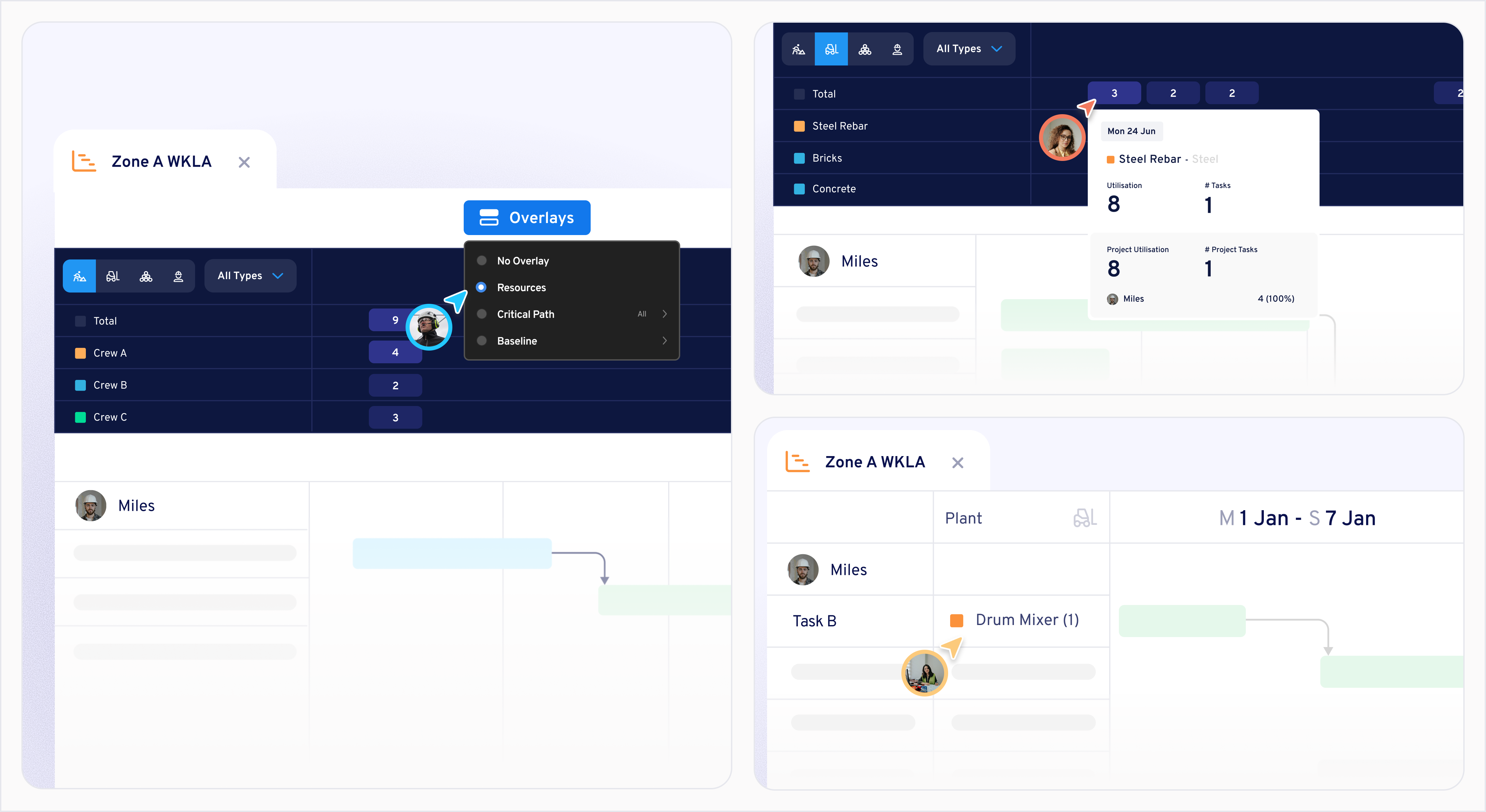
Site teams also benefit from clearer work instructions. “With the work area mapped out in Aphex against each specific task, we can say to a plant operative, you're working in this area, this is what you're doing."
The team established a clear weekly routine around Aphex. Program update meetings happen on Wednesdays with the entire team. Miles then updates the program on Thursday based on the Wednesday meeting. On Friday, the team conducts planned-versus-actuals analysis.
This routine has transformed how the team plans and tracks their work.
With Aphex, we have all the input we need from the whole team. It makes our short-term plans much more accurate and realistic.
Miles Beckingham-Burgess, Assistant Project Manager
More effective planning
The result has been more effective planning across the project. Miles says that one of the most significant benefits has been improved resource planning.
"The resource is definitely helped in Aphex because we can see on that week how many excavators, how many dumpers we need to achieve our outputs.”
This greater visibility into resource requirements has led to more accurate orders, leading to cost savings.
The team also has a clear view of planned-versus-actuals progress
With Aphex, we put the big quantum at the start, and then know what daily rates we need to be hitting. If we see early on that we’re not hitting that rate, then we know we need to extend that for longer than two weeks, or we need to put more plant or resource on.
Miles Beckingham-Burgess, Assistant Project Manager
Better management of blockers
As Miles explains, working with National Grid presents unique challenges with approvals and documentation. "With RAMs and ITPs, there's a lot of potential blockers on this project with National Grid. We need to meet these important standards before work can commence.”
Aphex has helped the team manage these blockers effectively. The team assigns risk assessment, inspection, and test plan blockers to individual tasks, with team members alerted if they aren’t achieved within the expected timeframe.
Miles tells us that this visibility has improved client relationships because it ensures that important standards aren’t accidentally overlooked when work is ready to start.
Looking ahead
Aphex has become a critical part of the Yorkshire Green project. "It's a really key element of the project for us now," says Miles. "I'm a really big fan of it... We're all driving it, and we're using it across the project."
The Yorkshire Green project demonstrates the importance of collaborative tools like Aphex for more accurate planning and improved project outcomes. Murphy's experience with Aphex on Yorkshire Green positions them well for future success on similar projects.
When asked if he could ever go back to their previous planning methods, Miles is clear.
"No, I couldn't. It was much more difficult before Aphex."

Heading
Lorem ipsum dolor sit amet, consectetur adipiscing elit. Suspendisse varius Duis cursus,

.webp)

.webp)