



The whole project was planned, clash-detected and maintained through Aphex, with absolutely no public safety injuries, no engineering injuries, no trains delays, and no passengers delayed because of our works. Aphex was brilliant, one hundred percent, across the project.


The challenge of multi-party coordination
When running a major construction project, you're dealing with many different stakeholders who each have their own priorities, systems, and ways of communicating. This is like conducting an orchestra where everyone reads from a different score, musicians come and go mid-performance, and the acoustics of the concert hall change daily.
More often than not, changes aren’t properly communicated, clashes occur, and project timelines drift.
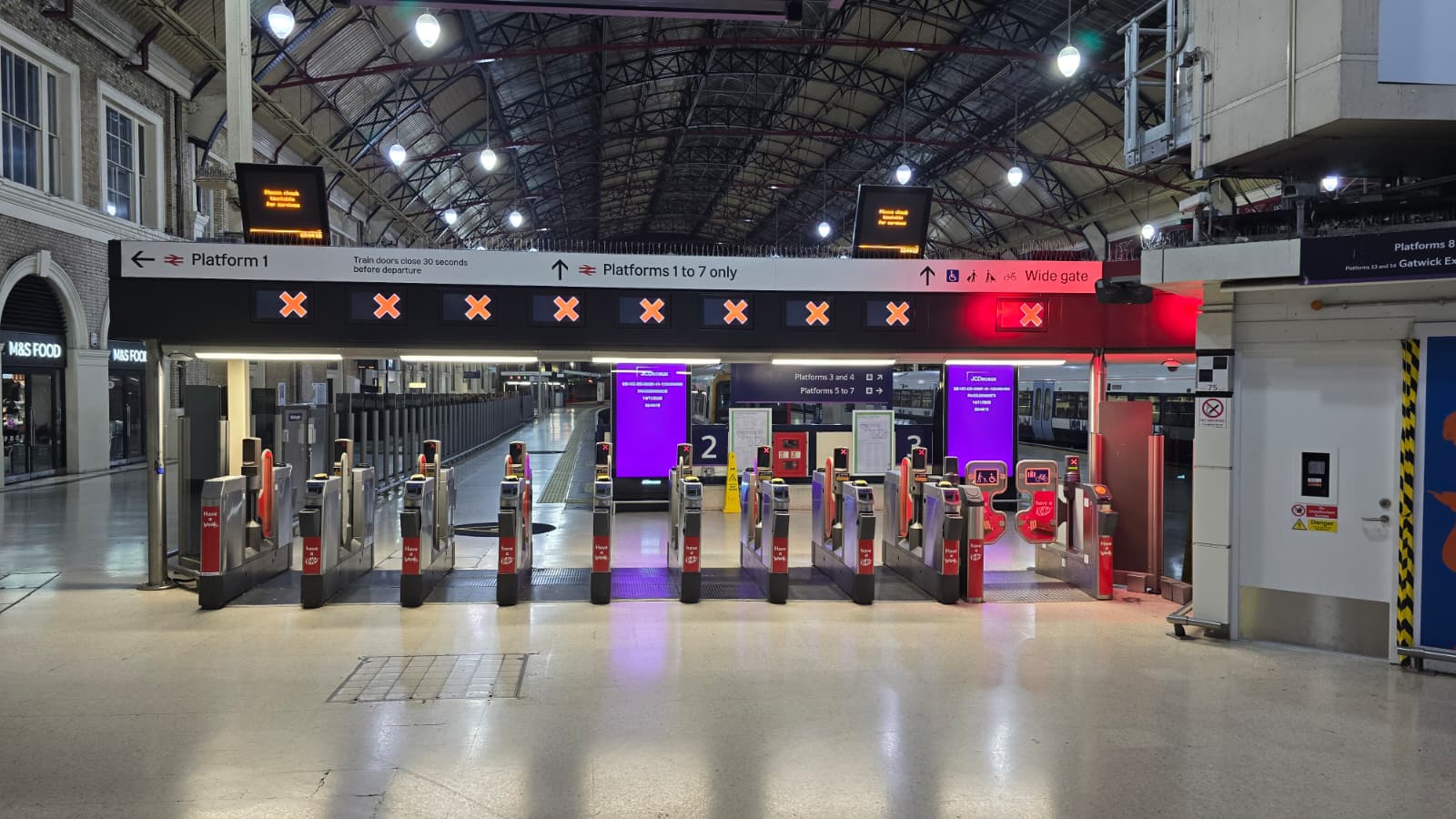
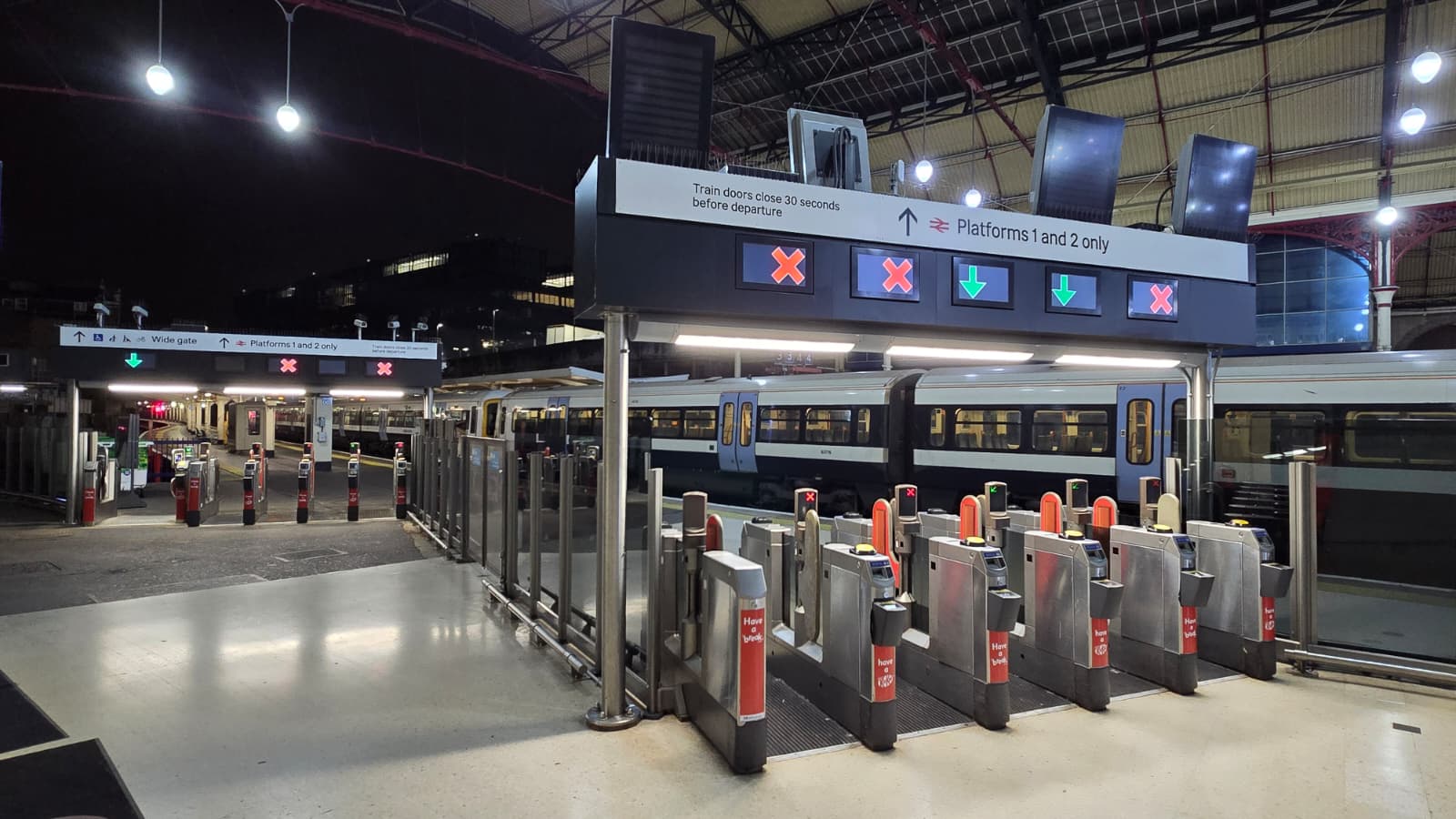
Not so for BAM at London’s Victoria Station, where they served as the principal contractor for a major transformation project. The scope includes expanding the station concourse, constructing an access route between platform 14 and the escalators to a nearby shopping centre, and installing 35 new ticket gates, all while maintaining full operational service.
The operational constraints were staggering: 348,192 trains per year, including 143 daily Gatwick Express services, all operating around live construction work with zero tolerance for delays or safety incidents.
We spoke with Peter Lawler, BAM's Project Manager for Victoria Station, about how his team solved this coordination challenge, extending far beyond traditional construction boundaries.
Why multi-party coordination fails in complex projects
Complex infrastructure projects involve multiple parties with different priorities, systems, and communication methods. Coordination is a major challenge, and often falls down for the following reasons:
Teams focusing on their own work
Each party optimises for their own scope, timeline, and commercial interests rather than considering the broader project ecosystem. This siloed approach creates conflicts when work packages intersect or when dependencies aren't properly understood across organisational boundaries.
Information and plans are isolated
Critical project information sits locked within individual organisations, creating blind spots across the project. Teams make decisions based on incomplete pictures of what other parties are doing, when they're doing it, and what resources they need. Without visibility into the full scope of activities, even well-intentioned teams create unintended clashes.
Project performance becomes contractual
When coordination breaks down, relationships become adversarial. Teams focus on protecting themselves from liability rather than solving problems collaboratively. Progress meetings turn into blame sessions, and energy gets diverted from delivery into documentation and defensive positioning.
The result is multi-party projects that struggle with the real-time coordination needed to keep complex work flowing smoothly.

BAM's approach: Information transparency to drive better decisions
BAM's solution centered on a simple principle: capture comprehensive project information in a single place and distribute it to anyone whose decisions might impact project delivery—even if they're not directly involved in construction.
The key insight was that many coordination problems stem from people making reasonable decisions based on incomplete information. By giving all stakeholders access to detailed, current information about what's happening, when, and where, better decisions naturally follow.
When you don't have a contract with someone, but you're managing their work, what do you do? Robust planning comes with detail. Detail comes from hour-to-day, day-to-week, and maintaining that and making sure that the people who are there have live real-time data.
Peter Lawler, Project Manager, BAM
Solution 1: Communicate fully, frequently, and early
Even without contractual relationships, smooth collaboration requires early and frequent communication. The challenge is getting all parties working from the same information set when they have no obligation to use your systems or processes.
BAM's breakthrough came during planned preventative maintenance coordination. When the station's substation required isolation—meaning the entire area would be without power—the traditional approach would have been to coordinate through meetings and emails, hoping everyone understood the timeline and implications.
Instead, BAM captured all activities—their own work, Network Rail asset removal, third-party installations—in a single plan with clear geographic and temporal relationships.
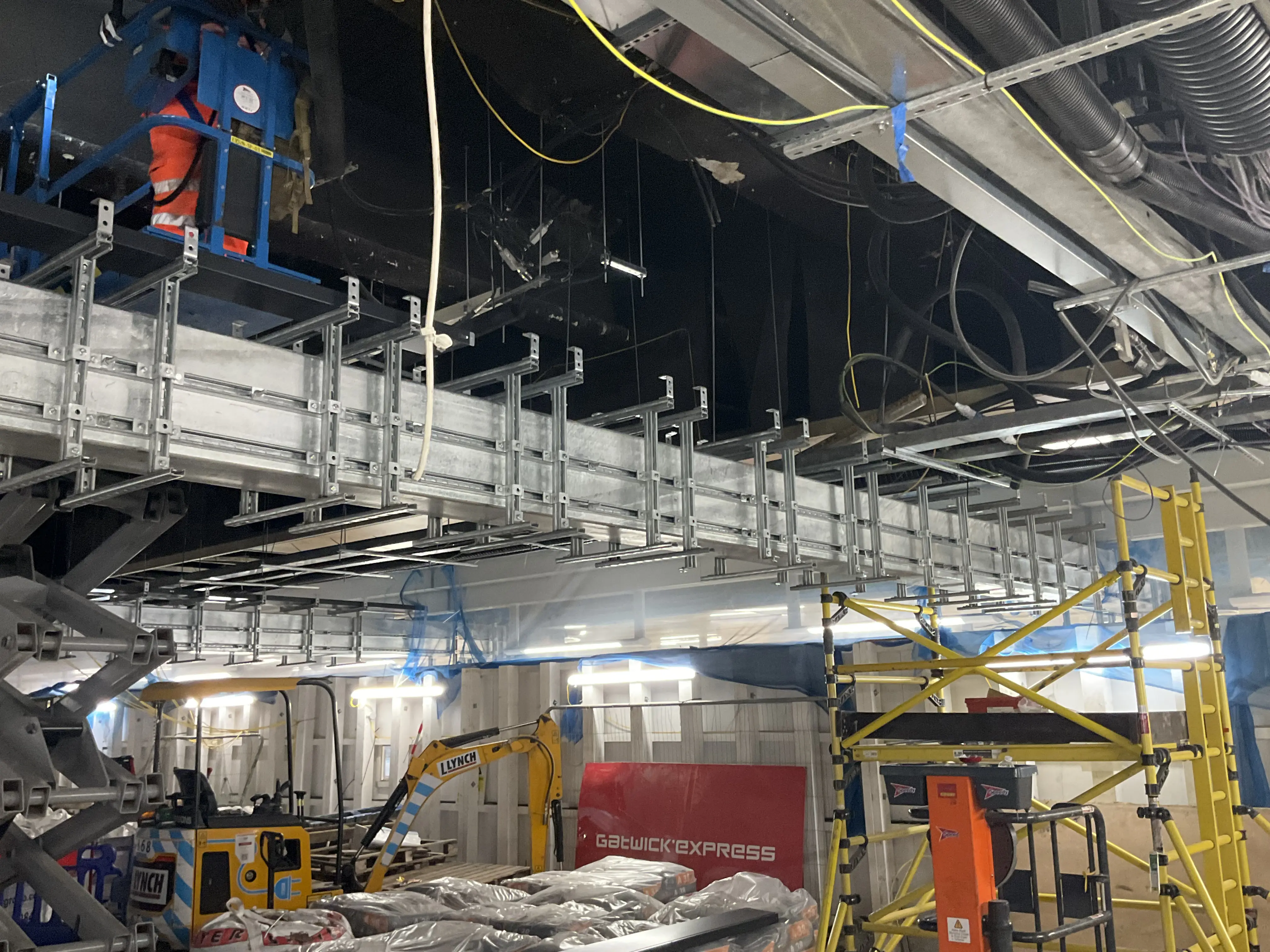
The team created comprehensive clash detection and visual coordination mapping that showed not only their work but also all activities in the station environment. This included access routes, work areas, equipment locations, and timing relationships.
The key was making this information accessible to non-construction professionals. They published regular updates showing exactly when and where conflicts would occur, making it easy for external parties to align their work without changing their internal processes. The station team printed and distributed the coordination plans to all stakeholders weekly, creating visibility at director level within Network Rail.
Being able to use the maps to communicate the works to stakeholders was particularly helpful as it ensured that the information was the same as that being used by the team, and prevented the need for someone to create another visual for onward communication.
Vicky Elderton, Network Rail Project Manager
How to implement with Aphex: Staging diagrams
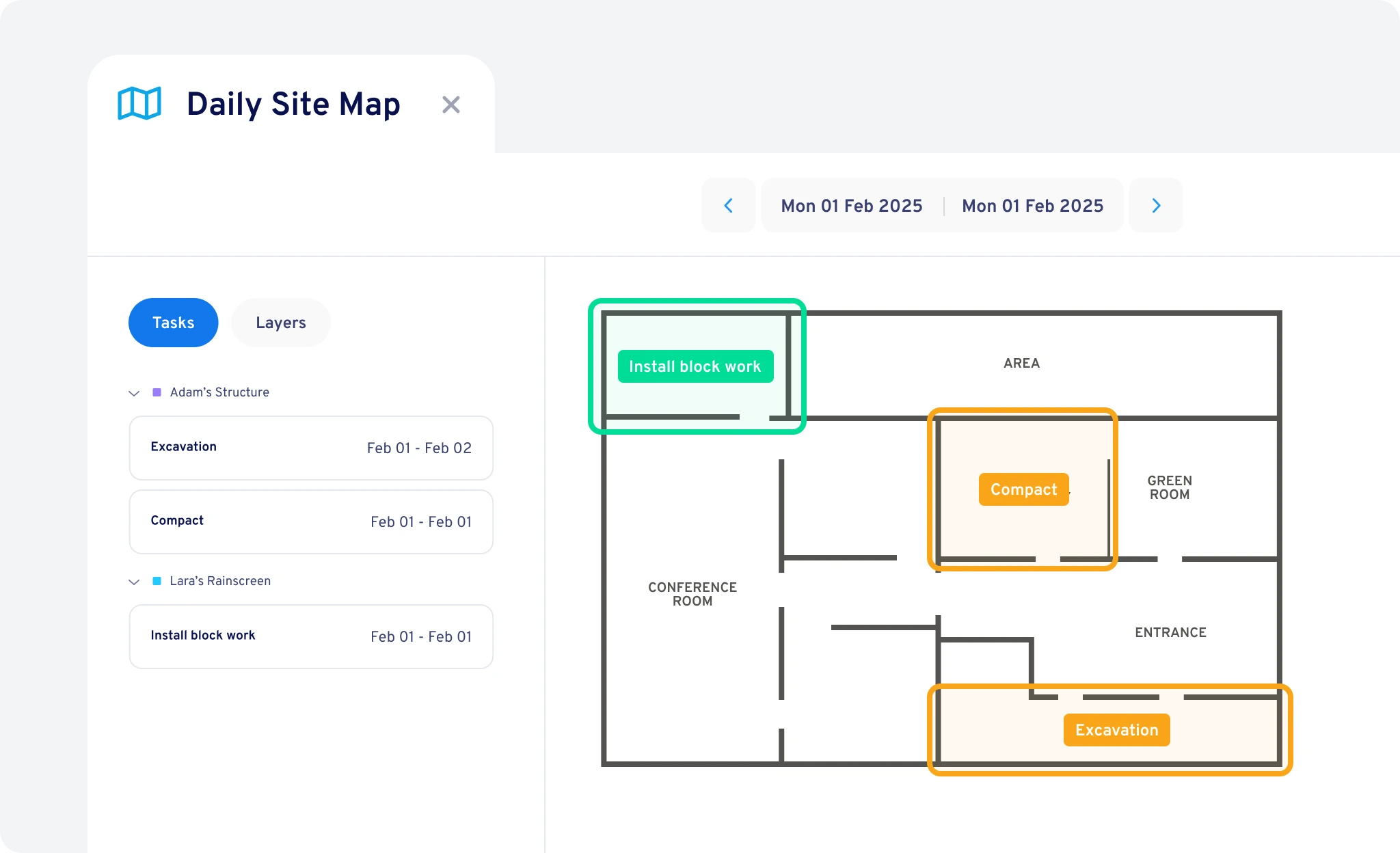
Start by connecting your GIS data to Aphex to create accurate site layouts that all stakeholders can reference. Link your planned tasks to specific locations on these maps to visually connect your schedule to physical work areas.
Use Aphex's work area overlay feature to mark out zones for different activities directly on your site map. This replaces the need for separate PowerPoint presentations or static drawings that quickly become outdated.
This gives everyone—from your own team to external parties—a clear understanding of where activities will take place and how they relate geographically.
As the project progresses, use Aphex's automatic clash detection. When you schedule activities in overlapping areas, the system visually highlights these clashes on the map, prompting your team to discuss sequencing and coordination options before they become conflicts on-site.
Aphex allowed the team to deconflict workstreams within the project – both in terms of physical location using the map and also in terms of resource required. Crucially, the team was also able to use Aphex outside of the project sphere, to coordinate works required to be completed by others, deconflict works with other projects occurring at the same time, and to communicate upcoming works to stakeholders.
Vicky Elderton, Network Rail Project Manager
How to implement with Aphex: Publishing routines
Capture all relevant activities in a single Aphex plan, then use the Publishing feature to distribute regular updates directly from the platform.
These published versions give external parties consistent, timestamped information they can reference and share within their own organisations. This ensures that everyone works from the same information, even if they're not directly accessing your live plan.
Maintain this regular publication schedule so that when changes inevitably occur, all stakeholders receive updated information simultaneously.
This eliminates the common problem of parties working from different versions of a plan and prevents the miscommunication that often occurs when updates are distributed across multiple channels.
During our planned preventative maintenance, we saved time, we saved money, and it meant everybody was aware and everybody was on site at the same time. So it allowed more efficient working. And that was all driven by us showing our clients, partners, and stakeholders what Aphex can do.
Peter Lawler, Project Manager, BAM

Solution 2: Real-time data capture for commercial protection
Major projects inevitably require changes, and keeping track of why things got delayed or cost more can turn into a paperwork nightmare. The trick is to capture what's actually happening while you're doing the work, not try to piece it all together weeks later, when memories are fuzzy.
Large, complex projects that manage multiple suppliers and interfaces bring significant change, and this was no different at one of London’s busiest stations. Instead of drowning in admin work, they tracked changes and delays as they happened using detailed activity notes in Aphex. They also published regular plan updates, creating a digital trail of the project's evolution.
Instead of treating documentation like separate busywork, the BAM team built it right into their weekly routine. Their weekly plan updates killed three birds with one stone: keeping everyone in the loop operationally, backing up commercial claims, and keeping clients happy.
Since the same information served all three purposes, people actually stayed on top of their documentation instead of letting it slide. Nobody wants to do double work, so when your regular updates also cover your back commercially, everyone's got skin in the game to keep things accurate and current.
I do think that the Aphex system was invaluable. We never had a single deconfliction issue that caused BAM downtime.
John Ward, Network Rail Station Interface Manager
How to implement with Aphex
To manage compensation events effectively, set up Aphex as a single environment where all stakeholders can access and update the same information in real-time. Start by inviting all relevant parties to the same Aphex workspace, creating a single source of truth that eliminates version-control issues and ensures everyone sees changes as they happen.
Build data capture into your regular project rhythms rather than treating it as separate administrative work. Train your team to use Aphex's simple dropdown menus and text fields to record delay reasons and changes directly on tasks as they occur on site.
As mentioned earlier, establish a regular publication schedule within Aphex to create timestamped snapshots of your evolving plan. These publications serve multiple purposes: they provide immediate operational communication, create an audit trail for commercial events, and maintain transparent client relationships.
Aphex allowed for a seamless form of communication across the team. Rather than having to sit with people all the time, Aphex allowed us to reduce the number of explanations required. This made the team meetings a lot more effective.
Peter Lawler, Project Manager, BAM
The results: Zero incidents, zero delays, streamlined administration
BAM's multi-party coordination approach delivered measurable results across safety, operations, and commercial outcomes.
First and foremost, the project delivered:
- 130,000 hours on-site with zero injuries
- 122,838,374 members of the public passed by four live work sites with no public safety incidents
- 348,192 trains left on time with no delays caused by construction work
- All 143 daily Gatwick Express services maintained on-time performance
Other results include:
Streamlined commercial processes
BAM successfully processed over 300 compensation events with clear documentation and stakeholder buy-in.
Enhanced client relationships
Network Rail adopted BAM's coordination approach as a new standard.
Smooth collaboration with non-contractual partners
Zero coordination conflicts with other teams despite having no contractual mechanisms to enforce alignment.
We have had 122,838,374 passengers pass by four live work sites. The whole project was planned, clash-detected, and maintained through Aphex, with absolutely no public safety injuries, no engineering injuries, no train delays, and no passengers delayed by our works. Aphex was brilliant, one hundred percent, across the project.
Peter Lawler, Project Manager, BAM
What you can apply: Four principles for multi-party project coordination
1. Information transparency drives better decisions
Most coordination problems stem from people making reasonable decisions based on incomplete information. Focus on making comprehensive project information accessible to anyone whose decisions might impact delivery, even if they're not directly contracted to you.
2. Surface conflicts early for better procedural coordination
Rather than relying solely on meetings and emails to coordinate complex multi-party activities, invest in systems that make conflicts obvious before they occur. Geographic and temporal clash detection prevents more problems than reactive coordination processes.
3. Regular publication creates accountability and commercial protection
Systematic publication of current project information serves multiple purposes: operational coordination, commercial documentation, and stakeholder alignment. Build publication rhythms that support all these needs simultaneously rather than treating them as separate activities.
4. Make coordination systems accessible to non-construction professionals
Many critical project stakeholders—clients, operators, facility managers—need to understand project impacts but not construction processes. Design coordination information that translates construction activities into operational impacts, these stakeholders can easily interpret and act upon.

Heading
Lorem ipsum dolor sit amet, consectetur adipiscing elit. Suspendisse varius Duis cursus,



%20-%20Grey.svg)
.webp)
