
“A good plan is a way of keeping people honest about what is changing. This is what Aphex is enabling on the Western Harbour Tunnel.”


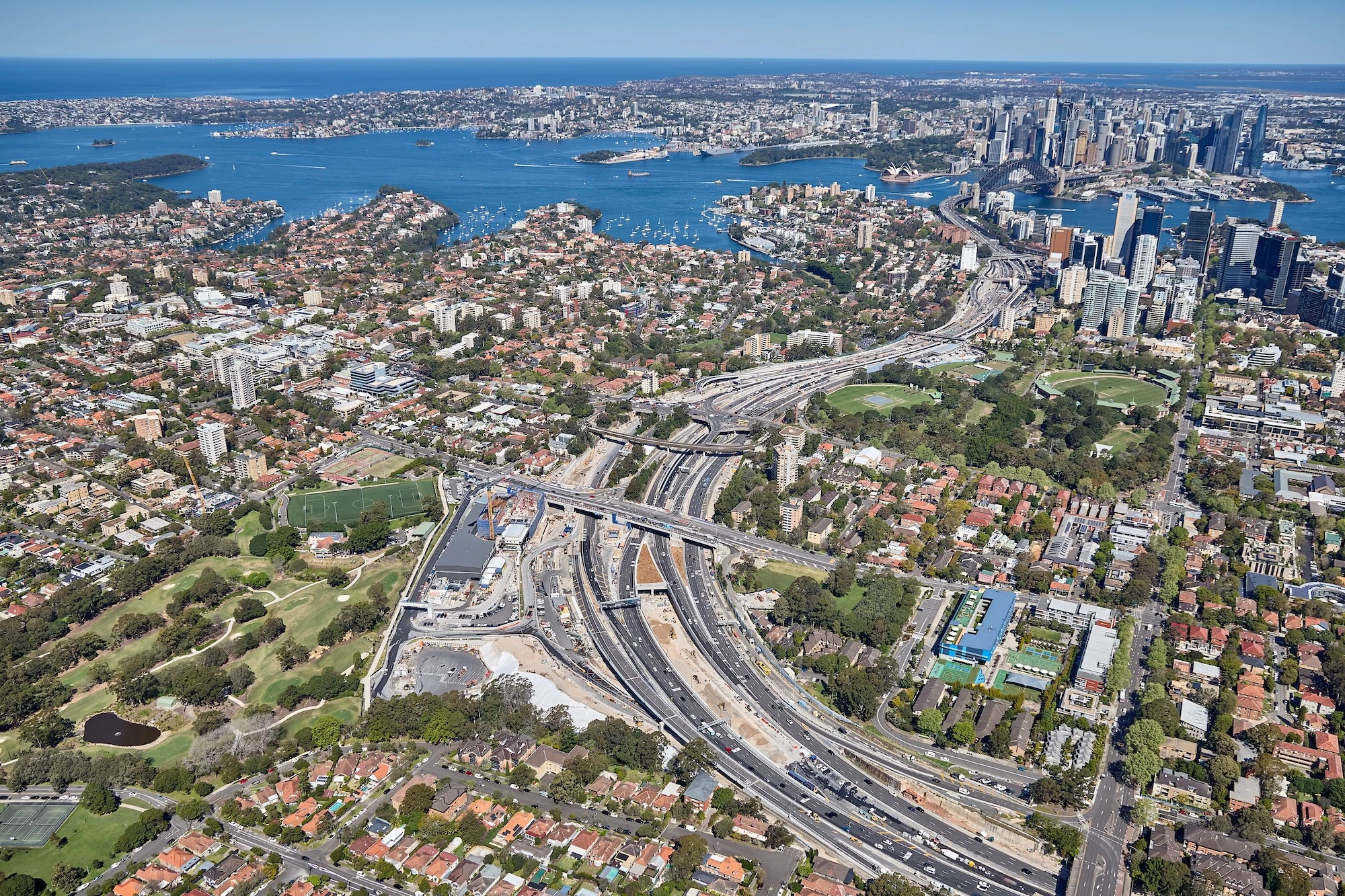
ACCIONA is delivering Stage 2 of the NSW Government’s Western Harbour Tunnel project , a major road tunnel in Sydney and at $4.2 billion is one of the largest infrastructure investments underway in Australia.
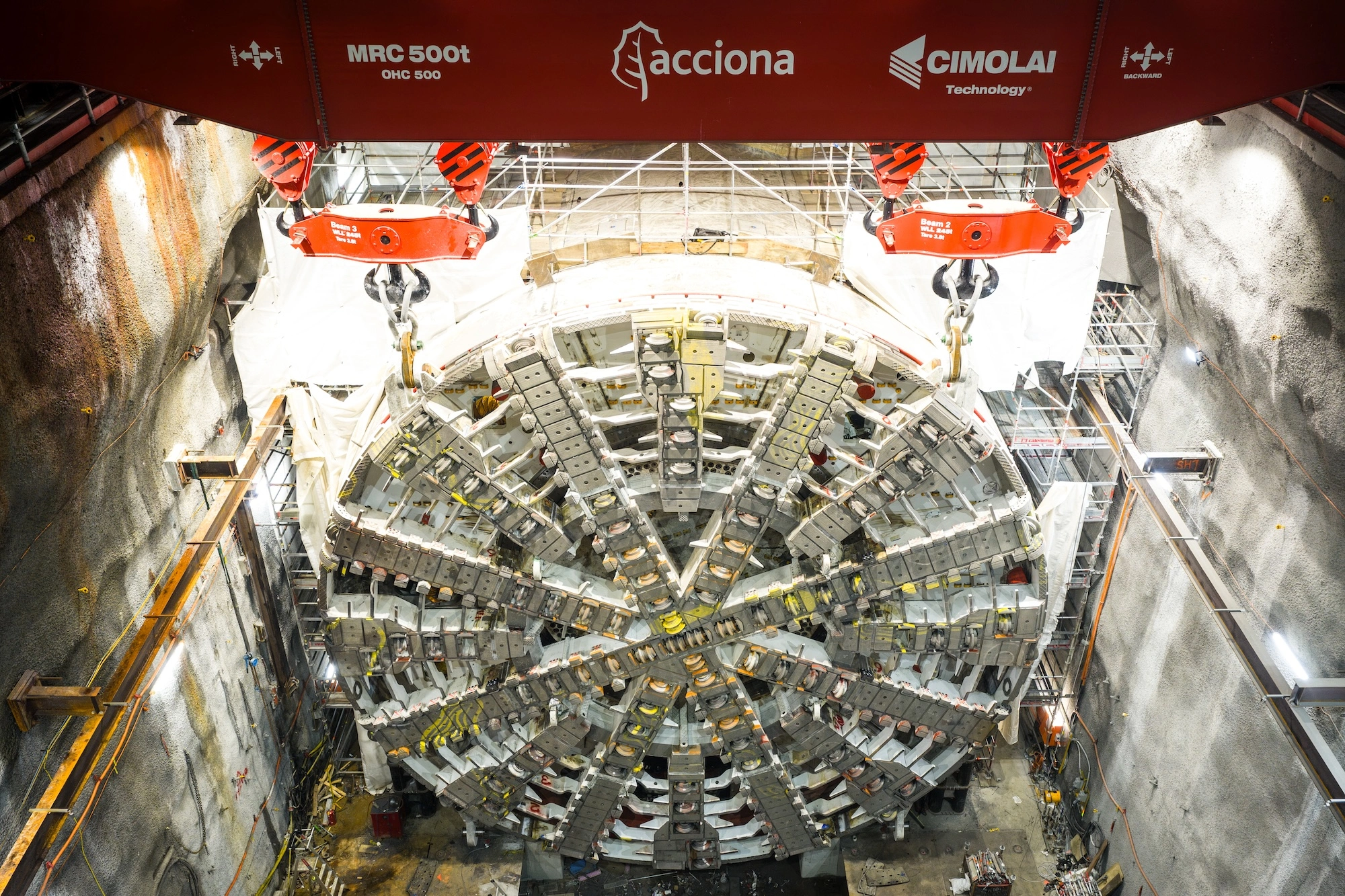
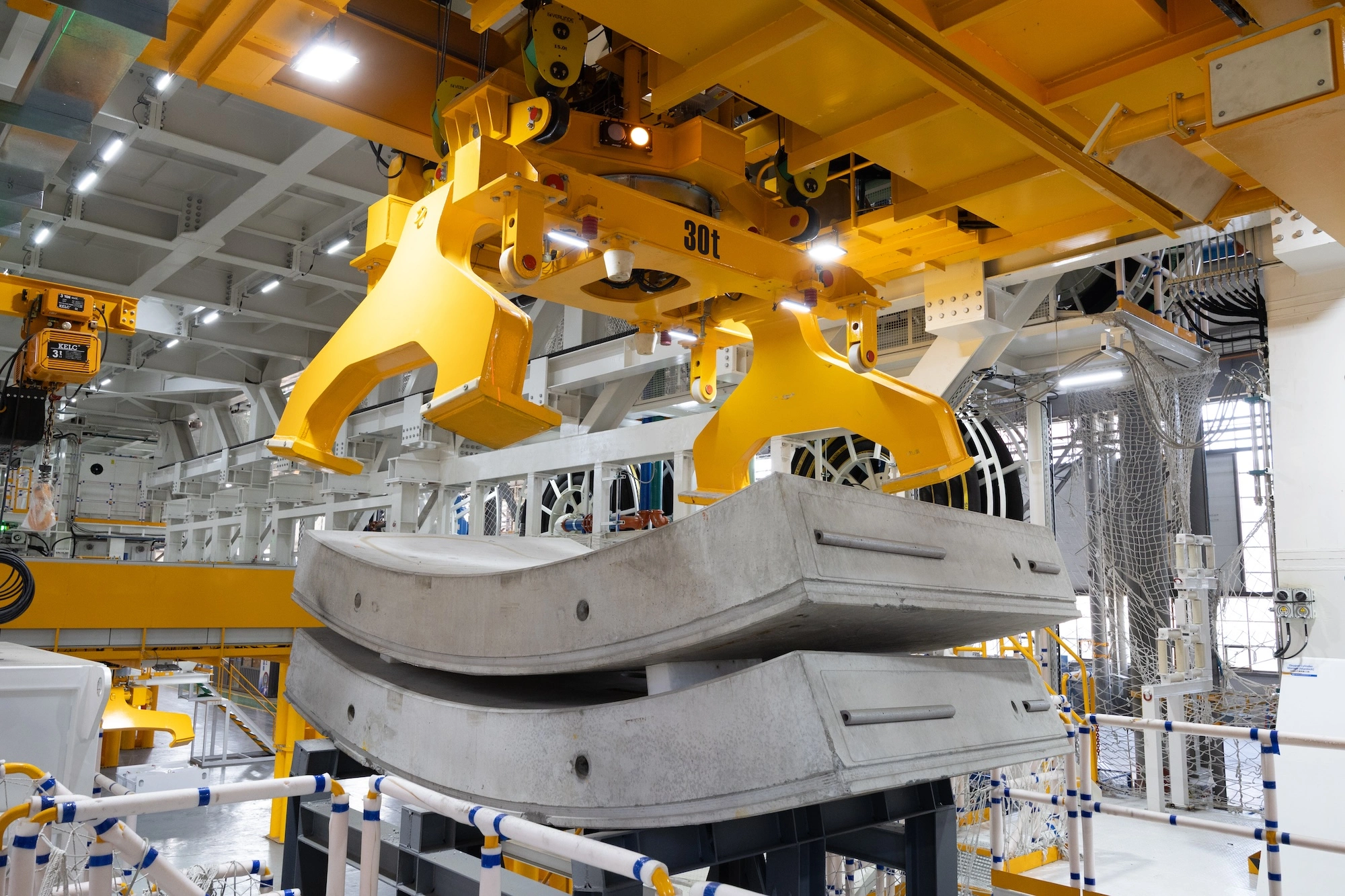
Work on Stage 2 of the project began in late 2022 and is due for completion in 2028. The tunnel is being excavated through a rare mix of roadheader and twin tunnel boring machines (TBMs), with the TBMs being the largest in diameter used in the southern hemisphere.
We spoke with ACCIONA's Andre Montauban, Project Controls Manager for Western Harbour Tunnel (WHT), to learn how his team keeps a project of this scale and complexity on track.
The challenge: keeping a vast, interface-heavy project aligned
The Western Harbour Tunnel ties into some of the busiest and most sensitive parts of Sydney's road network, including live motorways and an underground “Spaghetti Junction” at Rozelle Interchange, as well as the concurrent Warringah Freeway Upgrade. Each of those connections is an interface with another traffic authority or another contractor, and every one is a relationship that has to be managed in both directions to get access and to grant it.
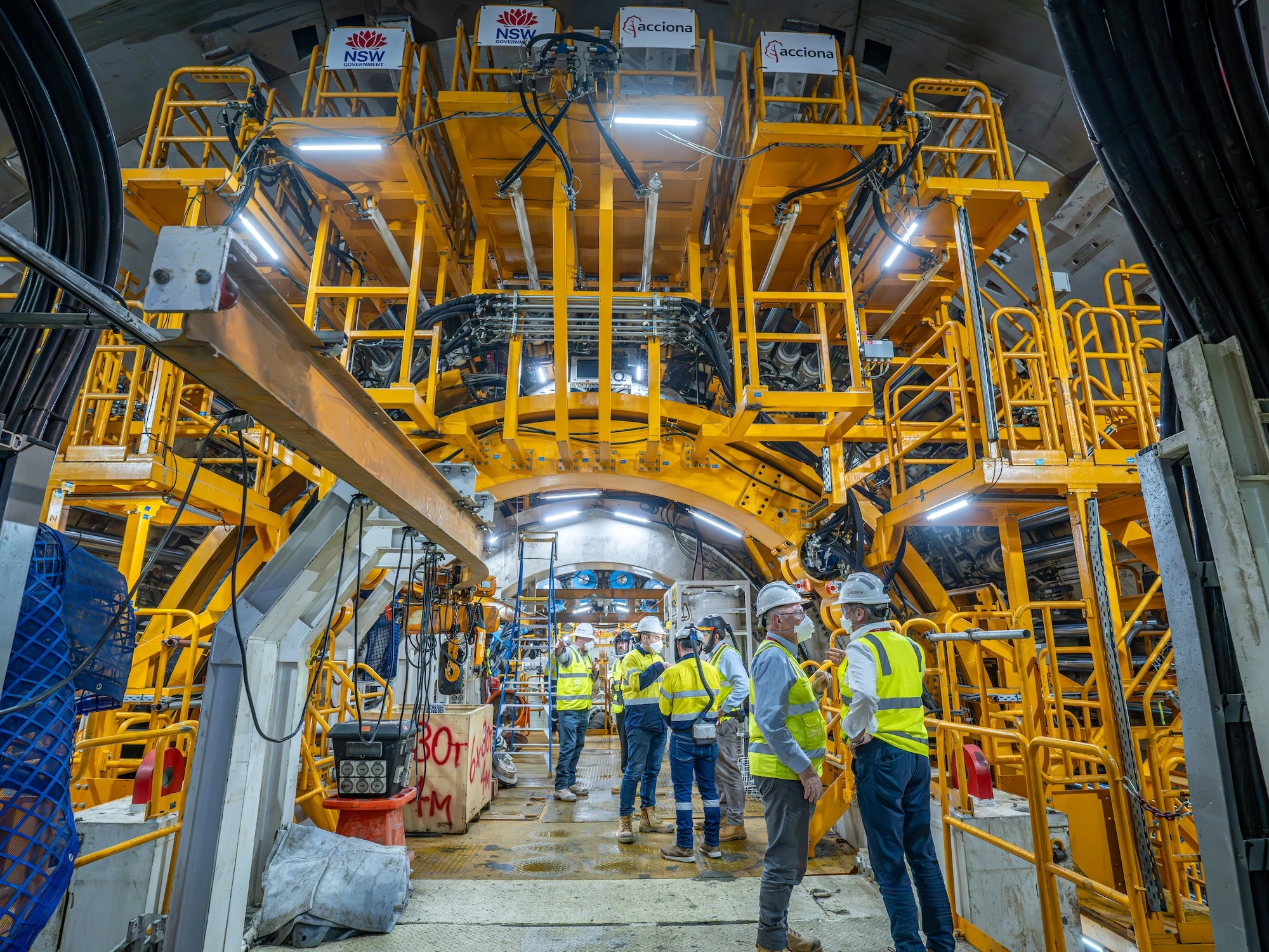
Underneath all of it sits the sheer rate of delivery. The project runs more than 300 shifts in every 24-hour period, and each of those shifts has to complete its work for the wider program to hold. If not carefully managed, any one of these many moving parts could cause the project to drift from its delivery milestones.
Solution 1: Distribute ownership of delivery
On a project this size, no single group can make every decision, and the attempt to do so can cause more problems than it might solve. The ACCIONA team's answer was to push decision-making down to the delivery teams and trust them to run their own scopes, with regular interface catch-ups to discuss any bigger issues that might arise.
As Andre explains, this is effective because teams are given the reasoning behind each goal, not just the goal itself. Because those objectives cut across disciplines and are staged in sequence, every team can see how its own scope feeds the wider project. Knowing that civil work has to finish so that power can go on in an area is a stronger motivator than a locked handover date on a bar chart.
Crucially, accountability sits where the team actually has control: delivery of the immediate tasks in the short-term plan. That is what makes each shift feel like it matters and gives teams a sense of ownership over the program they are building.
When teams are accountable to the short-term plan that's directly within their control, they get this sense that every single shift is important. They feel like they actually own the program.
Andre Montauban, Project Controls Manager WHT
How to implement with Aphex
Give each delivery team ownership of its own scope in Aphex. Assign activities to the responsible team and give engineers edit access, so the people doing the work maintain the plan and accountability sits at the front line, not with a central planner.
Because teams update their own work directly, the program stays current between formal reviews. Set each team a rolling weekly commitment to make ownership explicit, and capture a delay reason against the task whenever a commitment moves.
%20Acciona%20050826%20-%20Solution%201.webp)
Solution 2: Run disciplined communication routines
Distributed ownership only works if information moves reliably between teams. On Western Harbour Tunnel, that is held together by a routine of daily reviews and weekly lookaheads that moves information reliably between every team.
Each Project Manager works with two to three Senior Project Engineers, who each look after a well-defined scope. Those engineers hold daily stand-ups with their frontline supervision and engineers. The stand-ups roll up into a daily review at SPE and Project Manager level, which in turn feeds the daily reports that filter up through the project.
Alongside this, the team runs weekly six-week lookaheads, attended by a deliberately dynamic group of engineers: an SPE champions each one, and the engineers working in that area join while they are there and drop off when they move on. This means the lookahead meetings shift with the work rather than staying fixed to north or south.
The routine gives everyone around the project visibility of the same current picture. Procurement, safety, quality, the client, and the independent certifier are all having their own conversations, and when they work from a published version of the plan they start to trust it.
When subcontractors are working from a published version of Aphex, they start to trust it. They can see the program for themselves. It's not being hidden from them.
Andre Montauban, Project Controls Manager WHT
How to implement with Aphex
Build your daily and weekly routines around one live plan, so daily stand-ups, daily reviews, and weekly lookaheads all draw on the same current information rather than separate spreadsheets.
Publishing routines create timestamped snapshots of the short-term program. These give the client and external parties consistent visibility without direct access to the system, and become the reference point everyone works from in their own conversations.
Structure your lookaheads by area rather than by fixed team, so the right engineers join the sessions relevant to where they are working and drop off when they move on.
%20Acciona%20050826%20-%20Solution%202.webp)
Solution 3: Plan for change, and bank the wins
The program on a project like Western Harbour Tunnel is never a fixed prediction of the future. The unexpected will occur, and the plan has to be built to absorb that. ACCIONA's approach is to set deliberately aggressive targets, give the team a buffer, and then manage that buffer as conditions change.
For Andre, that reframes what a program even is. It is not a document that gets set and filed. It is, instead, a way of managing constant change, including how the team adapts, how it tracks delivery, and how it keeps everyone informed. On a project of this length and complexity, something is always changing, so what matters is that the change is visible and captured somewhere, and that everyone is looking at the same page.
This matters not just for potential delays, but also for when a team runs ahead. As Andre explains, if you are not set up to capitalise on the early finishes, all you are left with is the downside. On the Western Harbour Tunnel project, when a team is tracking ahead, it signals this to the next team, and keeps refining until the date is locked in. This allows the successor team to prepare to start early, and the gain is banked rather than lost at handover.
This has also changed how handovers work on site. Instead of one team finishing completely and vacating before the next begins, teams hand over incrementally and work closer together. As Andre puts it, it is easier to hand over to someone you can see.
You have to position yourself to take advantage of the wins, because you're going to have losses. And if you don't make provision for wins, you will slip.
Andre Montauban, Project Controls Manager WHT
How to implement with Aphex
Turn stretch targets into weekly commitments using Aphex's Weekly Work Plans. When a team commits to its week and then tracks ahead of those dates, the progress is visible across the project rather than sitting with one team.
This is the early signal that lets the next team prepare to start sooner, so an early finish becomes a real program gain instead of evaporating at handover.
A good plan is not a prediction of the future. It's a way of keeping people honest about what is changing. This is what Aphex is enabling on the Western Harbour Tunnel.
Andre Montauban, Project Controls Manager WHT
%20Acciona%20050826%20-%20Solution%203.webp)
The results
- The high-level dates have held through constant change. The team has absorbed everything that has changed through the project and still protected its top-level dates.
- The TBMs are launched and turning. The components were hauled in from the harbour, vast launch chambers were excavated, and the machines assembled underground.
- The planners are fully integrated with the delivery teams. Teams are more open about risk and delay because the planners are there to help solve problems.
I now have a planning team that is 100% accepted, that's fully integrated with the teams out on site. They feel like they're part of the team that's delivering the project, rather than just writing the program.
Andre Montauban, Project Controls Manager WHT
What you can apply
- Give responsibility to the people delivering the work. Distribute ownership to delivery teams and hold them to the short-term plan they actually control.
- Plan for change, not certainty. Treat the program as a way of tracking and communicating change rather than a fixed prediction, and keep it visible so everyone is working from the same current picture.
- Bank the wins by signalling early. Set aggressive targets, and when a team is running ahead, tell the next team well in advance so they are ready to start early, instead of the gain evaporating at handover.
- Keep the baseline close to reality. Teams work harder against a plan that matches the world. When you fall behind, reset by finding mitigations and re-sequencing, not by simply sliding the end date.

Heading
Lorem ipsum dolor sit amet, consectetur adipiscing elit. Suspendisse varius Duis cursus,


.webp)
